






- Industrial LCD display
-
Industrial Products
- DC Servo Drive
- AC Servo Drive
- other
- Heidelberg
- FANUC
- IFM
- Meter
- CCD
- Membrane Keypad
- Film
- YOKOGAWA Module
- Card
- ABB
- MITSUBISHI
- FANUC
- KEYENCE
- BECKHOFF
- Honeywell
- HOLLYSYS
- FUJI servo drives
- HP
- solenoid valve
- thermostat
- Siemens adapter
- color oscilloscope
- Fujitsu connector
- CHELIC
- SMC
- CISCO Module
- INTEL
- Key board
- FAIRCHILD
- Motherboard
- Board
- Bearing
- other
- Control Panel
- Contactor
- Circuit
- OMRON
- Relay
- Controller
- Photoelectric Switch
- Photoelectric Sensor
- Original
- Fan
- Motor Driver
- Limit Switch
- Amplifier
- power supply
- LENZE
- Cable
- Encoder
- Sensor
- Transformer
- Fiber Optic Sensor
- Protection Relay
- Temperature Controller
- Proximity Switch
- Switch Sensor
- Siemens
- Industrial board
- HMI Touch Glass
-
HMI Full Machine Whole unit
- OMRON HMI Touch Panel
- Siemens HMI Touch Panel
- Mitsubishi HMI Touch Panel
- Allen-Bradley automation HMI Touch Panel
- DELTA HMI Touch Panel
- EVIEW DELTA HMI Touch Panel
- KINCO DELTA HMI Touch Panel
- HITECH HMI Touch Panel
- WEINTECK HMI Touch Panel
- TECVIEW HMI Touch Panel
- WEINVIEW HMI Touch Panel
- PRO-FACE HMI Touch Panel
- SIMATIC HMI Touch Panel
- AMPIRE HMI Touch Panel
- HEIDELBERG HMI Touch Panel
- PANASONIC HMI Touch Panel
- PATLITE HMI Touch Panel
- KYOCERA HMI Touch Panel
- KEYENCE HMI Touch Panel
- WEINVIEW HMI Touch Panel
- HITECH HMI Touch Panel
- FUJI HMI Touch Panel
- HAKKO HMI Touch Panel
- SCHNEIDER HMI Touch Panel
- SAMKOON touch panel
- other
- Module
- lcd inverter
- Membrane Keypad Switch
- Winni Touch Screens
- Frequency Inverter
- Servo Motor
- PLC


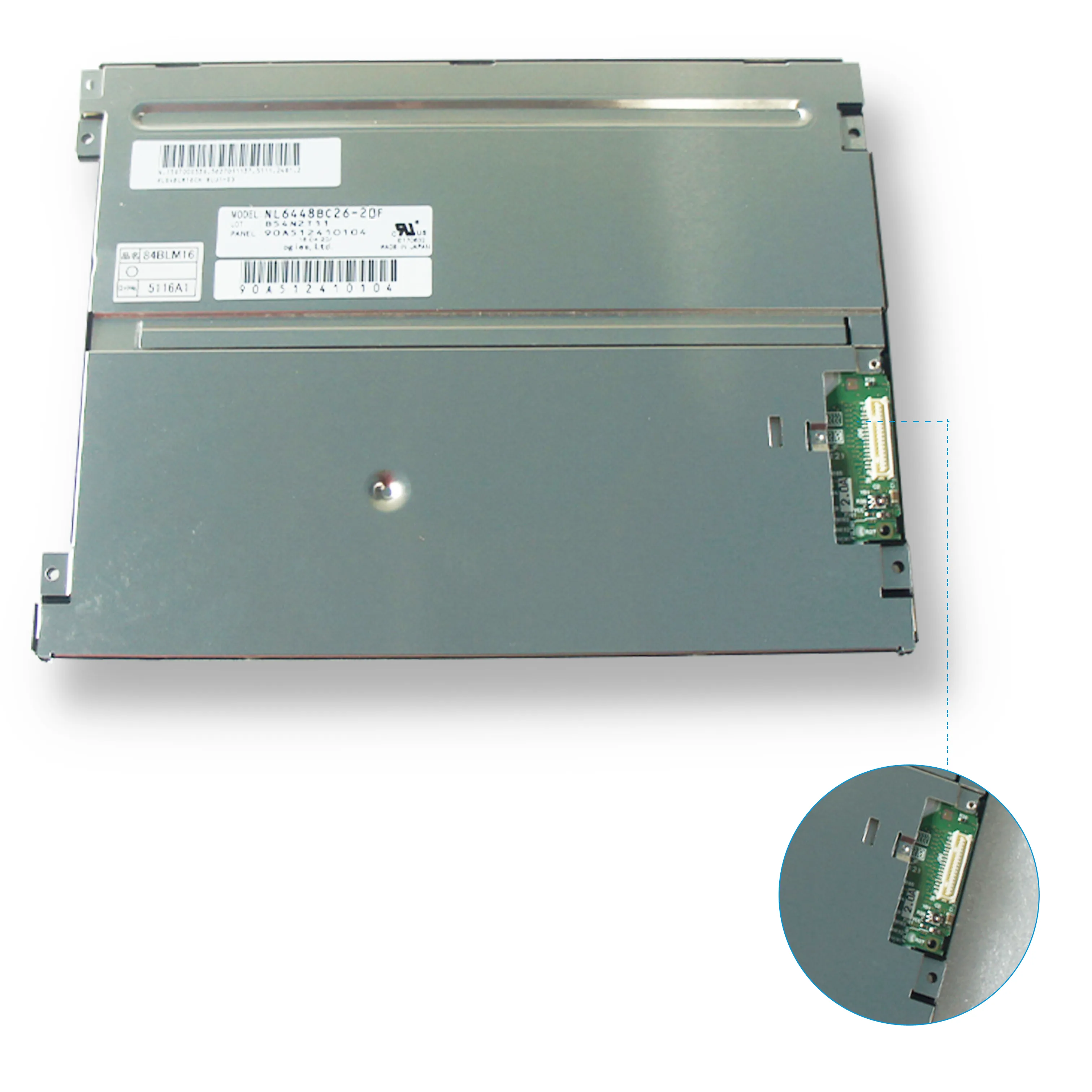


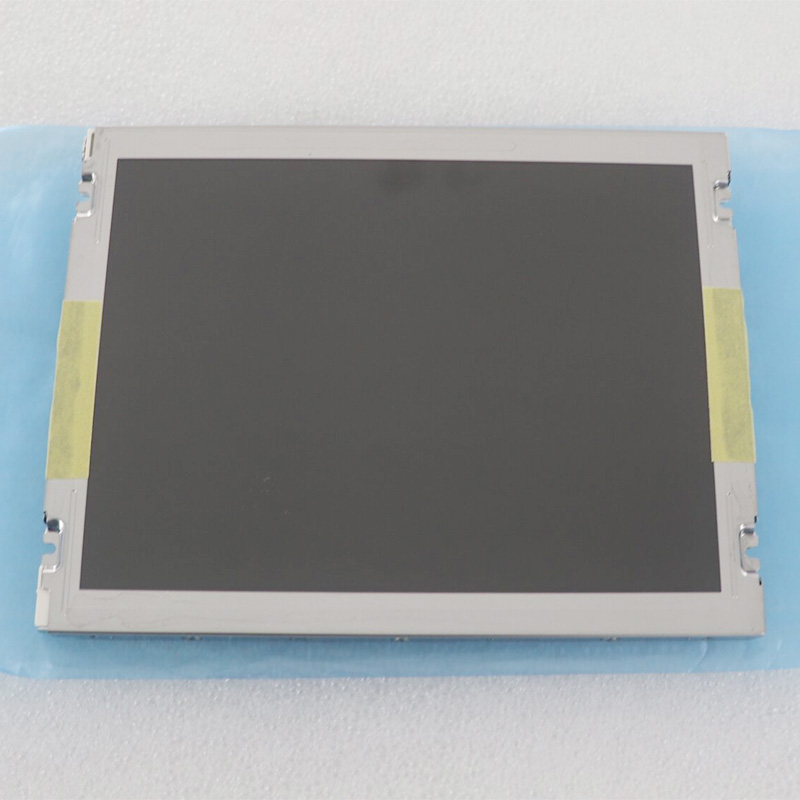
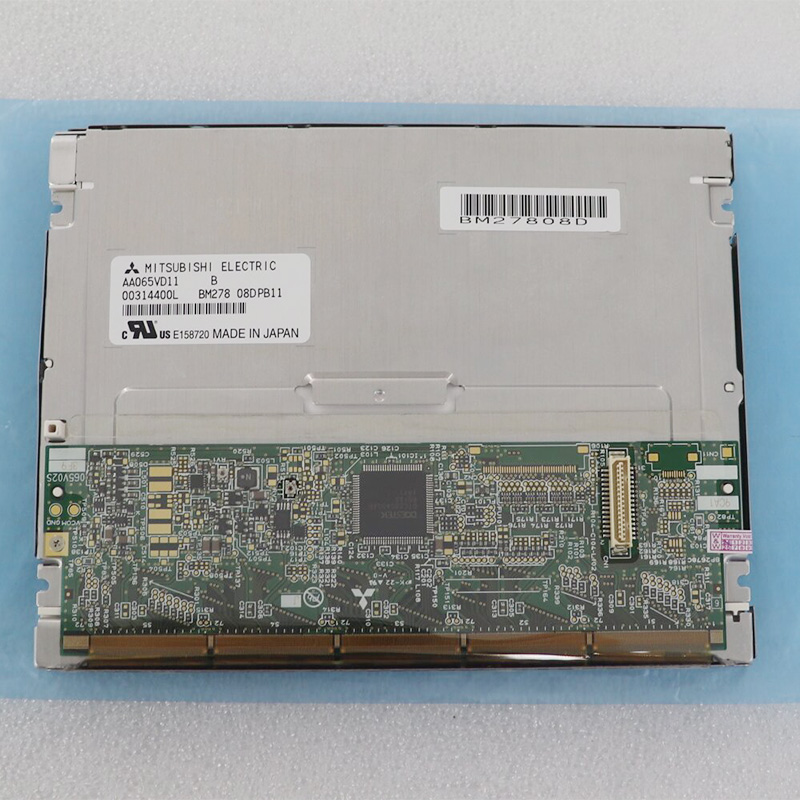
In the vast and intricate world of electronic components, certain parts become unsung heroes, powering the critical interfaces of specialized devices we rely on daily. Among these is the 6.5-inch Mitsubishi AA065VD11 LCD panel, a display module with a resolution of 640×480 pixels. While its specifications may seem modest in an era of 4K and OLED, this panel represents a fascinating case study in engineering for reliability, longevity, and specific application needs. This article delves deep into the world of this particular industrial-grade component, moving beyond basic datasheet parameters to explore its true significance.
We will uncover the unique technological DNA of the AA065VD11, examining why its seemingly "outdated" VGA resolution remains not just relevant, but often preferred in critical sectors. The journey will take us through its core architecture, its ideal application environments, and the practical considerations for system integrators. By understanding this panel, we gain insight into a broader philosophy of design where robustness, clarity under duress, and seamless integration trump raw pixel count, revealing the enduring value of purpose-built engineering in a disposable-tech world.
The Engineering Philosophy Behind a Legacy Resolution
At first glance, a 640×480 (VGA) resolution on a 6.5-inch diagonal might appear anachronistic. However, for the Mitsubishi AA065VD11, this specification is a deliberate and intelligent design choice rooted in industrial and professional application logic. This resolution provides a pixel pitch that yields exceptionally sharp and legible character and graphic display without the need for complex and processor-intensive scaling. For embedded systems, medical devices, or industrial control panels, information clarity and immediate readability are paramount.
Furthermore, the VGA standard is deeply entrenched in the ecosystem of legacy and modern low-to-mid-range embedded processors and FPGAs. Its simple digital RGB interface (likely parallel TTL or LVDS in this panel's case) minimizes system complexity, reduces cost, and enhances reliability. The choice underscores a philosophy where functional adequacy, signal integrity, and system-wide efficiency are prioritized over chasing consumer display trends. It is a resolution built for machines and operators who need unambiguous data, not for multimedia consumption.
Deconstructing the AA065VD11: Core Technologies and Interface
The Mitsubishi AA065VD11 is more than just a glass sandwich; it is a meticulously engineered system. Typically, a panel of this era and class employs a high-quality a-Si TFT (Amorphous Silicon Thin-Film Transistor) active matrix. This technology provides stable performance and good viewing angles. A critical, often overlooked component is the integrated CCFL (Cold Cathode Fluorescent Lamp) backlight system, which offers uniform, bright illumination with a long operational life—a key factor for devices expected to run continuously for years.
The interface is the lifeline of the panel. While the exact pinout requires the datasheet, panels like the AA065VD11 commonly use a single-channel or dual-channel LVDS (Low-Voltage Differential Signaling) interface. LVDS is prized in industrial settings for its robustness against electromagnetic interference (EMI), allowing for longer, more reliable cable runs between the display controller and the panel itself. This combination of mature TFT technology and a robust digital interface forms the bedrock of the panel's reliability in challenging environments.
Ideal Application Ecosystems: Where This Panel Excels
The true value of the Mitsubishi AA065VD11 is realized in its application. It is a quintessential industrial-grade component, designed not for the consumer shelf but for integration into larger, mission-critical systems. Its natural habitats include industrial human-machine interfaces (HMIs) on factory floors, test and measurement equipment, specialized portable medical devices, and avionics or transportation information displays.
In these settings, environmental factors are key. The panel is likely specified to operate across a wide temperature range, resisting vibrations and humidity levels that would cripple a standard consumer display. The 6.5-inch size is a "Goldilocks" dimension—large enough to present multiple data points or a simplified control schematic clearly, yet small enough to fit into compact, portable, or panel-mounted enclosures. Here, the display is a durable window into a machine's soul, not a multimedia touchpoint.
Critical Performance Parameters Beyond Resolution
For an engineer specifying this panel, resolution is just the starting point. A deep dive into its performance parameters reveals its suitability. Brightness (typically measured in nits) is crucial for readability in brightly lit industrial or outdoor-adjacent settings. Contrast ratio defines how sharply characters stand out from the background. Viewing angles, both horizontal and vertical, ensure the display remains legible from various operator positions.
Perhaps most critically, the backlight lifetime (often rated at 50,000 hours or more to half-brightness) is a direct determinant of the maintenance cycle and total cost of ownership for the end product. The operating temperature range (e.g., -20°C to 70°C) defines its deployment boundaries. These parameters, collectively, tell a story of endurance that a consumer panel's spec sheet never addresses, making the AA065VD11 a component chosen for decades-long service, not yearly upgrades.
Integration Challenges and Design Considerations
Successfully integrating a panel like the AA065VD11 into a product is a non-trivial task. System designers must first ensure electrical compatibility: matching the LVDS voltage levels and pin mapping with their chosen controller. The physical mounting is equally important, as industrial displays often require secure, vibration-resistant bezels or brackets, and careful attention to heat dissipation from the backlight inverter.
Power sequencing is a subtle but critical area; improper timing when turning the display logic and backlight on/off can stress components and shorten lifespan. Furthermore, designers must source or design a compatible LCD controller board that can translate their system's video output (e.g., from an ARM processor) into the precise LVDS signal the panel expects. This integration phase is where theoretical specs meet practical engineering, defining the ultimate stability of the final product.
The Legacy and Future of Specialized Display Modules
The Mitsubishi AA065VD11 exists within a specific niche that continues to evolve, yet persists. While consumer markets race toward higher resolutions and new technologies like MicroLED, the industrial and professional sectors exhibit remarkable inertia. The validation cycles, reliability requirements, and cost sensitivity of these sectors mean that a proven, reliable component like this panel remains in production and demand for many years, often outliving its consumer counterparts.
The future may see direct replacements with similar form factors but updated internals—perhaps LED backlights for greater efficiency and longevity, or more modern interfaces like MIPI-DSI. However, the core requirements of ruggedness, clarity, and long-term availability will remain. Understanding this panel is to understand a segment of the electronics industry that values consistency and dependability above all, ensuring that even "legacy" technologies have a vital and enduring role in our technological infrastructure.
FAQs: Mitsubishi AA065VD11 LCD Panel
10. How does this industrial panel differ from a consumer laptop screen of the same size?It prioritizes wide temperature tolerance, longer lifespan (especially backlight), robust interfacing (LVDS), and consistent long-term availability over high resolution, slim form factor, or vibrant color gamut.
Conclusion
The Mitsubishi AA065VD11 6.5-inch LCD panel is a testament to the principle that optimal engineering is context-dependent. In a world obsessed with ever-increasing pixel densities, this module stands firm on the pillars of reliability, clarity, and integration simplicity. Its continued relevance in critical fields demonstrates that for countless industrial, medical, and professional applications, the most advanced technology is not always the one with the highest specs, but the one that performs its specific duty with unwavering dependability.
By examining this component in depth, we gain a crucial perspective on a vast segment of the electronics industry that operates out of the consumer spotlight. It reminds system designers and engineers that success often lies in matching the right, proven technology to the operational demands of the environment. The AA065VD11, therefore, is more than a display; it is a paradigm of purpose-built design, ensuring that the interfaces upon which critical processes depend are as resilient as the systems they control.