






- Industrial LCD display
-
Industrial Products
- DC Servo Drive
- AC Servo Drive
- other
- Heidelberg
- FANUC
- IFM
- Meter
- CCD
- Membrane Keypad
- Film
- YOKOGAWA Module
- Card
- ABB
- MITSUBISHI
- FANUC
- KEYENCE
- BECKHOFF
- Honeywell
- HOLLYSYS
- FUJI servo drives
- HP
- solenoid valve
- thermostat
- Siemens adapter
- color oscilloscope
- Fujitsu connector
- CHELIC
- SMC
- CISCO Module
- INTEL
- Key board
- FAIRCHILD
- Motherboard
- Board
- Bearing
- other
- Control Panel
- Contactor
- Circuit
- OMRON
- Relay
- Controller
- Photoelectric Switch
- Photoelectric Sensor
- Original
- Fan
- Motor Driver
- Limit Switch
- Amplifier
- power supply
- LENZE
- Cable
- Encoder
- Sensor
- Transformer
- Fiber Optic Sensor
- Protection Relay
- Temperature Controller
- Proximity Switch
- Switch Sensor
- Siemens
- Industrial board
- HMI Touch Glass
-
HMI Full Machine Whole unit
- OMRON HMI Touch Panel
- Siemens HMI Touch Panel
- Mitsubishi HMI Touch Panel
- Allen-Bradley automation HMI Touch Panel
- DELTA HMI Touch Panel
- EVIEW DELTA HMI Touch Panel
- KINCO DELTA HMI Touch Panel
- HITECH HMI Touch Panel
- WEINTECK HMI Touch Panel
- TECVIEW HMI Touch Panel
- WEINVIEW HMI Touch Panel
- PRO-FACE HMI Touch Panel
- SIMATIC HMI Touch Panel
- AMPIRE HMI Touch Panel
- HEIDELBERG HMI Touch Panel
- PANASONIC HMI Touch Panel
- PATLITE HMI Touch Panel
- KYOCERA HMI Touch Panel
- KEYENCE HMI Touch Panel
- WEINVIEW HMI Touch Panel
- HITECH HMI Touch Panel
- FUJI HMI Touch Panel
- HAKKO HMI Touch Panel
- SCHNEIDER HMI Touch Panel
- SAMKOON touch panel
- other
- Module
- lcd inverter
- Membrane Keypad Switch
- Winni Touch Screens
- Frequency Inverter
- Servo Motor
- PLC


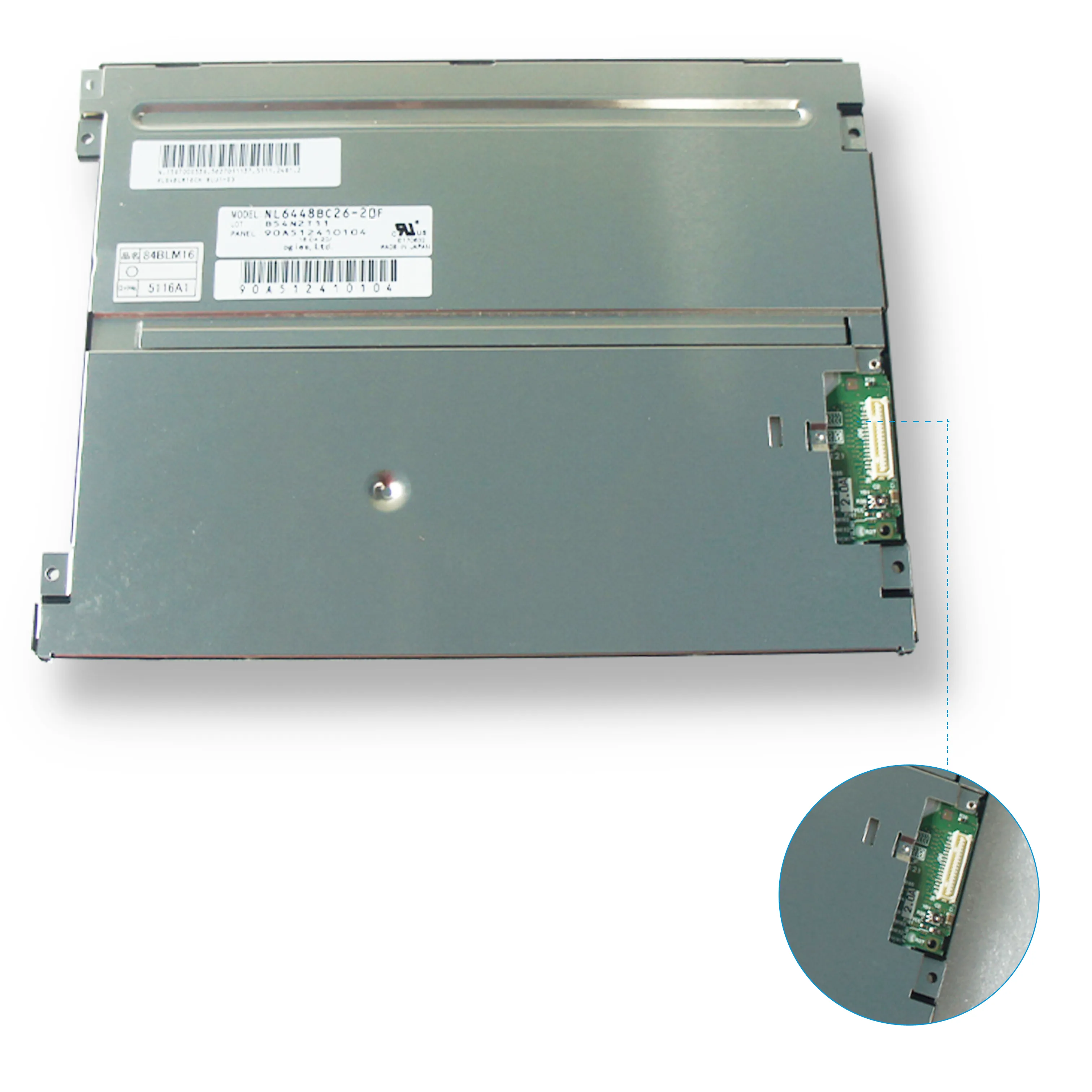

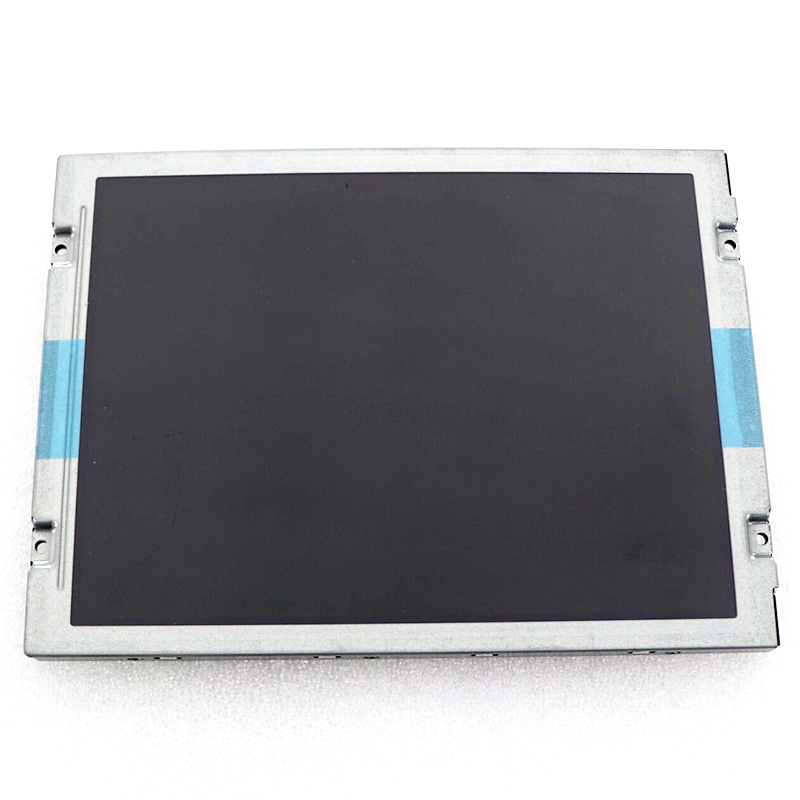
In the intricate world of industrial and embedded display technology, specific model numbers often represent far more than mere product identifiers. They are keys to understanding a unique set of capabilities, compatibility, and applications. The Original 8.4 inch AA084SB01 LCD screen is one such component—a precise 8.4-inch diagonal display module with a native resolution of 800 x 600 pixels (SVGA). This resolution, while considered modest in the consumer smartphone arena, holds significant and deliberate purpose in specialized fields.
This article delves into the technical essence and practical relevance of the AA084SB01. We will move beyond basic specifications to explore the engineering rationale behind its design, the specific market niches it serves, and the critical factors that distinguish an original module from its imitations. For engineers, procurement specialists, and technical decision-makers, understanding these details is not academic; it is essential for ensuring system reliability, performance, and longevity in demanding environments.
The Engineering Blueprint: Decoding the AA084SB01's Core Specifications
At its heart, the AA084SB01 is defined by a carefully chosen set of parameters. The 8.4-inch diagonal active area provides a substantial viewing space without being overly bulky, a sweet spot for many human-machine interface (HMI) applications. Its 800 x 600 SVGA resolution translates to a pixel pitch that offers clear, legible graphics and text. This resolution is a deliberate balance: it provides sufficient detail for complex control interfaces while remaining less computationally intensive to drive than higher-resolution panels, a crucial factor for embedded systems with limited processing power.
Furthermore, the module typically employs LVDS (Low-Voltage Differential Signaling) interface technology, a standard for robust, low-noise data transmission in industrial settings. Key specifications also include its aspect ratio (typically 4:3, ideal for traditional software interfaces), brightness levels (often nits-rated for various lighting conditions), and operating temperature range. These are not arbitrary numbers but a cohesive engineering blueprint designed for stability and integration.
A Niche Perfected: Primary Applications and Industry Fit
The AA084SB01 is not designed for general-purpose computing or entertainment. Its characteristics make it a cornerstone in environments where reliability, readability, and longevity trump ultra-high pixel density. A primary application is in industrial automation and control systems. Here, it serves as the visual front-end for PLCs, CNC machine controls, and factory floor monitoring stations, where its 4:3 aspect ratio perfectly frames legacy and specialized software interfaces.
Another critical domain is medical equipment, particularly in diagnostic devices, patient monitoring systems, and older ultrasound machines. The screen's consistent color performance and reliability are paramount. Additionally, it finds use in point-of-sale (POS) systems, transportation vehicle consoles, and specialized test and measurement instruments. In these contexts, the screen is a component within a larger, mission-critical system, chosen for its predictable performance and long-term availability.
The Interface Lifeline: Understanding LVDS and System Integration
The choice of LVDS interface is a defining feature of the AA084SB01 and similar industrial panels. Unlike consumer-oriented HDMI or DisplayPort, LVDS is a panel-level interface. It transmits data from a controller board (often called a timing controller or T-Con board) directly to the LCD's drivers with high noise immunity. This makes it exceptionally resistant to the electromagnetic interference common in industrial plants or medical facilities.
Integration, therefore, is not a simple plug-and-play affair. Engineers must ensure the host system's graphics controller can output an LVDS signal with the exact timing characteristics (clock, horizontal/vertical sync) required by the AA084SB01. This often involves custom cabling and firmware configuration. Understanding this interface is key to a successful implementation, preventing issues like ghosting, flicker, or a complete failure to display an image.
The Critical Divide: Original vs. Compatible Screens
In the aftermarket, the term "AA084SB01" is often used for both original manufacturer modules and third-party "compatible" versions. This distinction is crucial. An original screen is produced to the exact specifications, using graded A+ LCD cells and high-quality backlight components, ensuring color uniformity, specified brightness, and adherence to the published operating temperature and lifespan ratings.
Compatible or "replacement" screens, while potentially functional, may use lower-grade panels (A- or B-grade), different backlight LED arrays, or subtly altered interface electronics. The risks include shorter lifespan, uneven backlighting, color shifts, and sensitivity to temperature extremes. For a one-off repair of non-critical equipment, a compatible may suffice. For OEM production or critical system repairs, the original module is the only reliable choice to maintain system integrity.
Sourcing and Verification: A Procurement Guide
Procuring a genuine AA084SB01 requires diligence. Authorized distributors or directly sourcing from the original equipment manufacturer (OEM) who used the panel in their device is the most reliable path. When purchasing from specialized electronic component suppliers, verification is essential.
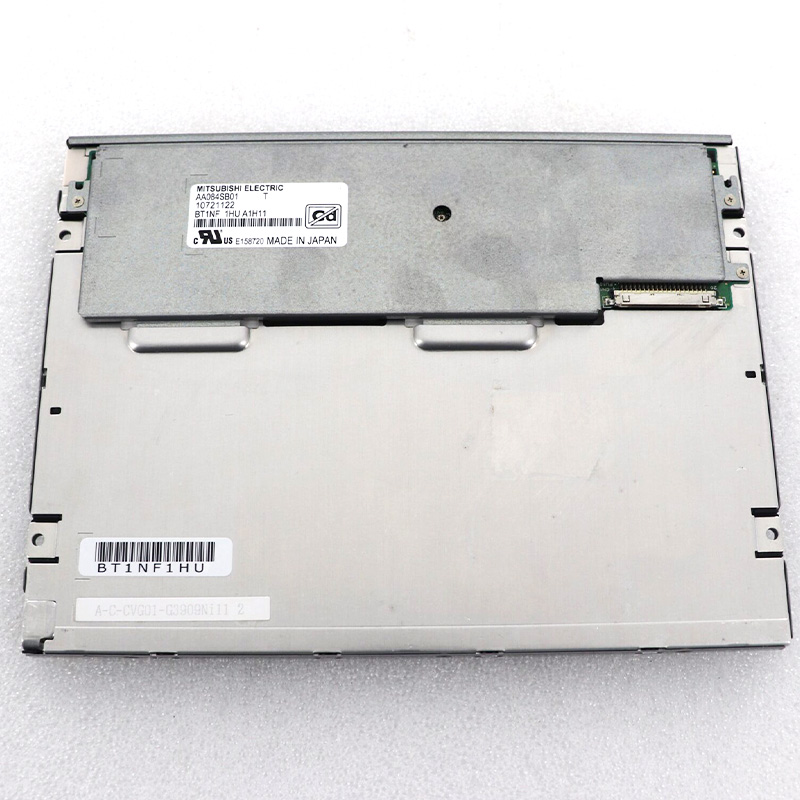
Key steps include: requesting detailed product photos to match labels and component layout; checking the manufacturer's label on the rear of the module for the exact part number and revision code; and inquiring about warranty and testing. Reputable suppliers will provide a guarantee of authenticity and often offer pre-shipment testing reports. Be wary of prices significantly below market average, as this is a common indicator of non-original components.
Long-Term Viability: Repair, Replacement, and Future-Proofing
For organizations relying on systems built around this display, its long-term availability is a strategic concern. The industrial display market often has longer lifecycles than consumer tech. However, eventual obsolescence is inevitable. Strategies include procuring and storing spare units for critical machinery, establishing relationships with trusted suppliers who specialize in end-of-life components, and exploring qualified upgrade paths.
In some cases, a direct "drop-in" replacement with identical specifications may be available from the same manufacturer as a newer model. In others, a carefully engineered upgrade to a modern panel with an adapter board may be necessary. Planning for this eventuality avoids costly system downtime when a single failed display halts an entire production line or medical device.
FAQs: Original 8.4-inch AA084SB01 LCD Screen
10. Where is the best place to buy a genuine AA084SB01?Through authorized industrial display distributors, the OEM of your equipment, or highly specialized, reputable component suppliers with authenticity guarantees.
Conclusion
The Original 8.4-inch AA084SB01 LCD screen is a testament to the principle that in specialized technology, suitability and reliability are paramount over raw specifications. Its 800x600 resolution, LVDS interface, and robust construction are not outdated features but deliberate choices optimized for a world of industrial machines, medical diagnostics, and mission-critical interfaces.
Understanding this component—from its technical blueprint and ideal applications to the critical importance of sourcing genuine parts—empowers engineers and buyers to make informed decisions. In an era of rapid technological churn, components like the AA084SB01 remind us that longevity, compatibility, and unwavering performance under pressure are values that define true engineering quality, ensuring the seamless operation of the vital systems that underpin our modern infrastructure.