






- Industrial LCD display
-
Industrial Products
- DC Servo Drive
- AC Servo Drive
- other
- Heidelberg
- FANUC
- IFM
- Meter
- CCD
- Membrane Keypad
- Film
- YOKOGAWA Module
- Card
- ABB
- MITSUBISHI
- FANUC
- KEYENCE
- BECKHOFF
- Honeywell
- HOLLYSYS
- FUJI servo drives
- HP
- solenoid valve
- thermostat
- Siemens adapter
- color oscilloscope
- Fujitsu connector
- CHELIC
- SMC
- CISCO Module
- INTEL
- Key board
- FAIRCHILD
- Motherboard
- Board
- Bearing
- other
- Control Panel
- Contactor
- Circuit
- OMRON
- Relay
- Controller
- Photoelectric Switch
- Photoelectric Sensor
- Original
- Fan
- Motor Driver
- Limit Switch
- Amplifier
- power supply
- LENZE
- Cable
- Encoder
- Sensor
- Transformer
- Fiber Optic Sensor
- Protection Relay
- Temperature Controller
- Proximity Switch
- Switch Sensor
- Siemens
- Industrial board
- HMI Touch Glass
-
HMI Full Machine Whole unit
- OMRON HMI Touch Panel
- Siemens HMI Touch Panel
- Mitsubishi HMI Touch Panel
- Allen-Bradley automation HMI Touch Panel
- DELTA HMI Touch Panel
- EVIEW DELTA HMI Touch Panel
- KINCO DELTA HMI Touch Panel
- HITECH HMI Touch Panel
- WEINTECK HMI Touch Panel
- TECVIEW HMI Touch Panel
- WEINVIEW HMI Touch Panel
- PRO-FACE HMI Touch Panel
- SIMATIC HMI Touch Panel
- AMPIRE HMI Touch Panel
- HEIDELBERG HMI Touch Panel
- PANASONIC HMI Touch Panel
- PATLITE HMI Touch Panel
- KYOCERA HMI Touch Panel
- KEYENCE HMI Touch Panel
- WEINVIEW HMI Touch Panel
- HITECH HMI Touch Panel
- FUJI HMI Touch Panel
- HAKKO HMI Touch Panel
- SCHNEIDER HMI Touch Panel
- SAMKOON touch panel
- other
- Module
- lcd inverter
- Membrane Keypad Switch
- Winni Touch Screens
- Frequency Inverter
- Servo Motor
- PLC


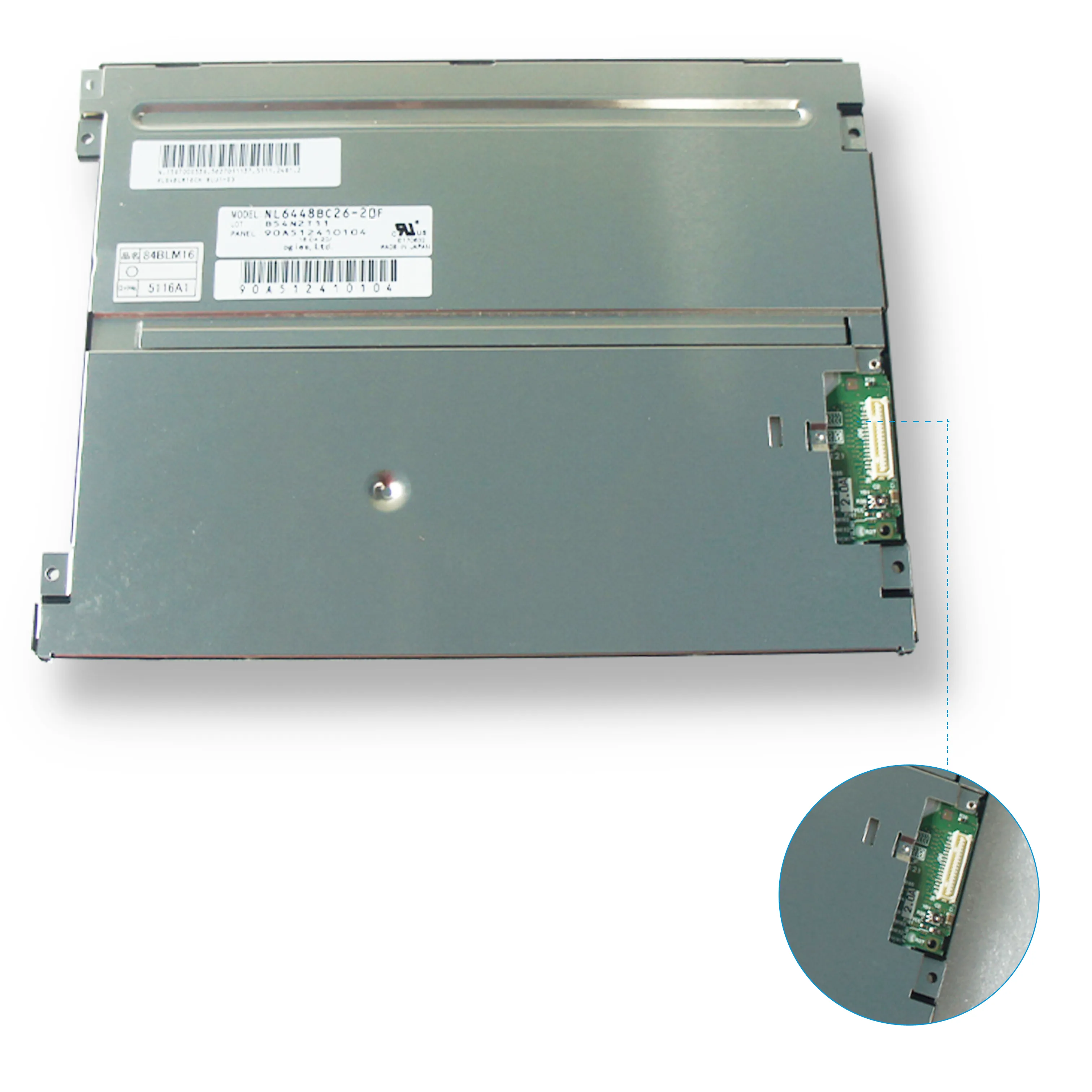

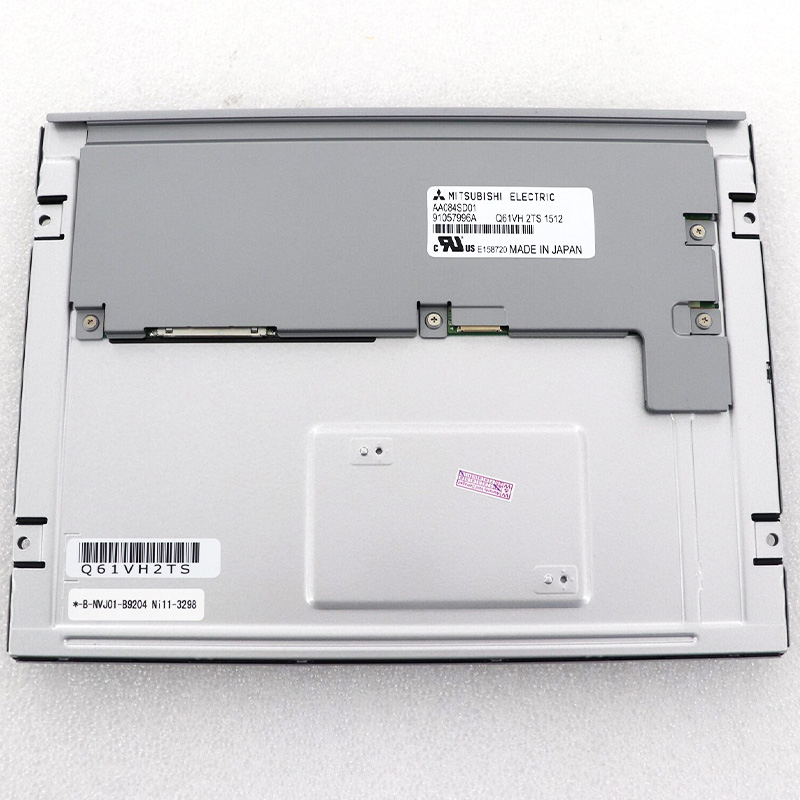
In the intricate world of industrial and embedded display solutions, certain components stand out not merely as parts, but as benchmarks of reliability and performance. The Mitsubishi AA084SD01 8.4-inch LCD screen is one such component. This TFT-LCD module represents a confluence of mature technology, rugged engineering, and precise color performance, designed to thrive in environments where commercial-grade monitors would falter. For engineers, system integrators, and procurement specialists, understanding the nuances of this specific model is crucial for making informed design and replacement decisions.
This article delves deep into the AA084SD01, moving beyond basic datasheet specifications to explore its technological heritage, core capabilities, and ideal application landscapes. We will dissect what makes this 8.4-inch screen a persistent choice in demanding fields, from industrial automation to transportation and medical equipment, and provide practical guidance for integration and sourcing.
Technological Pedigree and Core Architecture
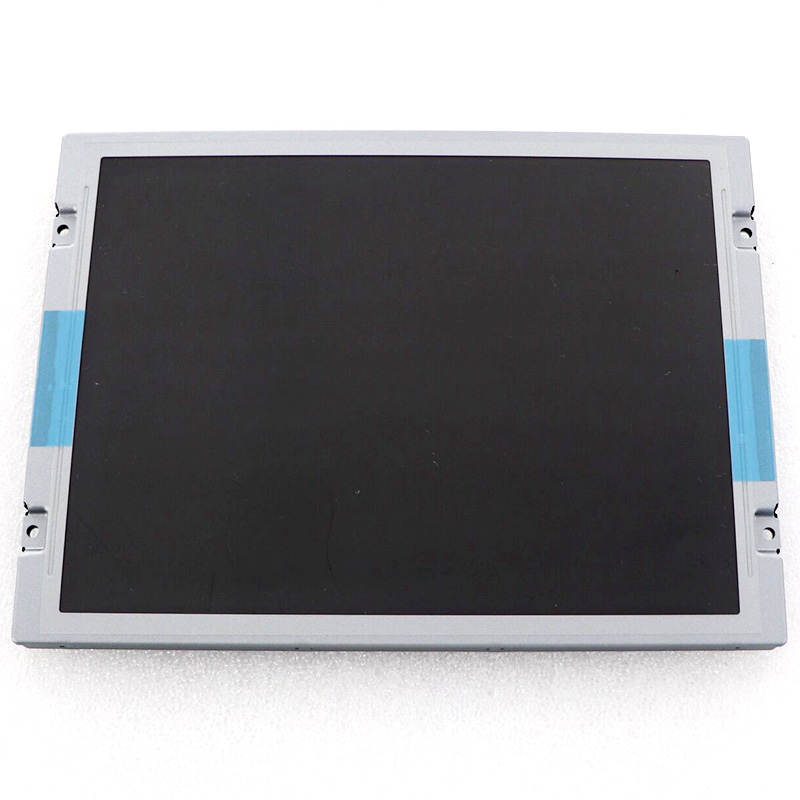
The AA084SD01 is not a consumer-grade display; it is an industrial-grade module built with a specific architecture for stability and longevity. At its heart lies an a-Si (amorphous Silicon) TFT LCD panel, a proven technology known for its consistent performance and cost-effectiveness for this screen size. The module features a resolution of 800 x 600 pixels (SVGA), which offers a balanced pixel density for clear text, graphics, and interface elements without imposing excessive processing load on connected control systems.
Critically, it employs a standard RGB interface, making it compatible with a wide array of controller boards and embedded systems. The inclusion of a CCFL (Cold Cathode Fluorescent Lamp) backlight system, while older technology compared to modern LEDs, is a signature of its era and design philosophy, offering uniform brightness and a wide operating temperature range. This foundational architecture sets the stage for its renowned durability and consistent visual output in controlled lighting conditions.
Defining Performance Characteristics and Specifications
The true value of the AA084SD01 is quantified in its detailed performance specifications. It boasts a high brightness level of 450 nits (typical), enabling readability in brightly lit industrial settings. The contrast ratio, a key factor for image depth and legibility, is a robust 500:1. Its color performance is defined by the ability to display 262K colors, providing sufficient color depth for complex diagnostic imagery or detailed user interface graphics.
From a physical robustness perspective, its operating temperature range of -10 to +70 degrees Celsius underscores its industrial pedigree. The module's dimensions and active display area are precisely defined, ensuring mechanical compatibility in retrofit scenarios. Understanding these specs is essential for verifying its suitability for a target application, especially when replacing an existing unit or designing a new system around this specific form factor and performance envelope.
Signature Advantages in Demanding Environments
Why does the AA084SD01 remain specified years after its introduction? The answer lies in its advantages within context. Its primary strength is exceptional reliability and longevity. Designed for 24/7 operation in critical systems, it offers a mean time between failures (MTBF) that far exceeds commercial displays. The stability of its CCFL backlight and panel technology ensures minimal color shift and brightness degradation over time.
Furthermore, it provides excellent optical performance for its class, with wide viewing angles (typically 70/70/50/70 degrees) crucial for panels mounted in consoles or angled enclosures. Its electromagnetic compatibility (EMC) is engineered to meet stringent industrial standards, preventing interference with sensitive nearby equipment. These traits make it a "set-and-forget" component in systems where downtime is not an option.
Primary Application Sectors and Use Cases
The application landscape for the AA084SD01 is a testament to its versatility and ruggedness. It is a common sight in Industrial Automation and HMI panels, serving as the primary interface for machine control, process monitoring, and SCADA systems. The Transportation sector utilizes it in onboard diagnostic displays, passenger information systems, and vehicle control units, where vibration and temperature resilience are paramount.
Additionally, it finds a home in Medical Equipment, such as older-generation patient monitors or diagnostic devices, where color accuracy and reliability are critical. Other niches include test and measurement instruments, specialized point-of-sale systems, and ruggedized computing terminals. In each case, it serves as the reliable visual conduit between complex electronic systems and human operators.
Integration Considerations and Interface Protocols
Successfully integrating the AA084SD01 requires attention to its electrical and physical interface requirements. The module operates on a single +5V power supply, simplifying power design. The parallel RGB (TTL) interface necessitates a compatible controller or a dedicated LCD controller board to process video signals from a source like a PC or embedded CPU.
Integrators must account for the CCFL backlight, which requires an inverter circuit to generate the high-voltage AC needed to illuminate the lamps. Mechanical integration involves careful mounting to avoid stress on the panel, ensuring proper heat dissipation, and often incorporating a resistive touchscreen overlay (a common addition) if interactive functionality is required. These considerations are vital for a stable and long-lasting installation.
Sourcing, Compatibility, and Modern Alternatives
As a product that has transitioned into a mature and sometimes discontinued status, sourcing the genuine AA084SD01 requires diligence. Procurement specialists should seek authorized distributors or highly reputable suppliers specializing in industrial display components to avoid counterfeit or refurbished units misrepresented as new. Verifying lot codes and manufacturer seals is advisable.
For new designs, evaluating modern alternatives is prudent. These may include LED-backlit modules offering lower power consumption and longer life, or panels with LVDS interfaces for better noise immunity. However, for maintenance, repair, and overhaul (MRO) of existing legacy systems, finding a direct compatible replacement like the AA084SD01 is often the only viable path to ensure seamless form, fit, and function, preserving the integrity of the original equipment.
FAQS
Q10: How critical is matching the exact model number for replacement?A10: Very critical. Even minor suffix changes can indicate differences in backlight, connector type, or firmware that affect compatibility.
Conclusion
The Mitsubishi AA084SD01 8.4-inch LCD screen exemplifies the enduring value of well-engineered industrial components. Its significance extends beyond its technical specifications to the roles it plays in keeping critical machinery, vehicles, and medical systems operational. This analysis reveals that its continued relevance is anchored in proven reliability, optical clarity under specific conditions, and a deep installed base across vital industries.
For those managing legacy systems, understanding this module's intricacies is key to effective maintenance. For designers of new systems, it serves as a benchmark for the performance and durability required in harsh environments, even as they may opt for newer technologies. Ultimately, the AA084SD01 is more than a display; it is a reliable interface between complex digital processes and the human operators who depend on them, a testament to the principle that in industrial design, robustness and consistency often trump mere novelty.