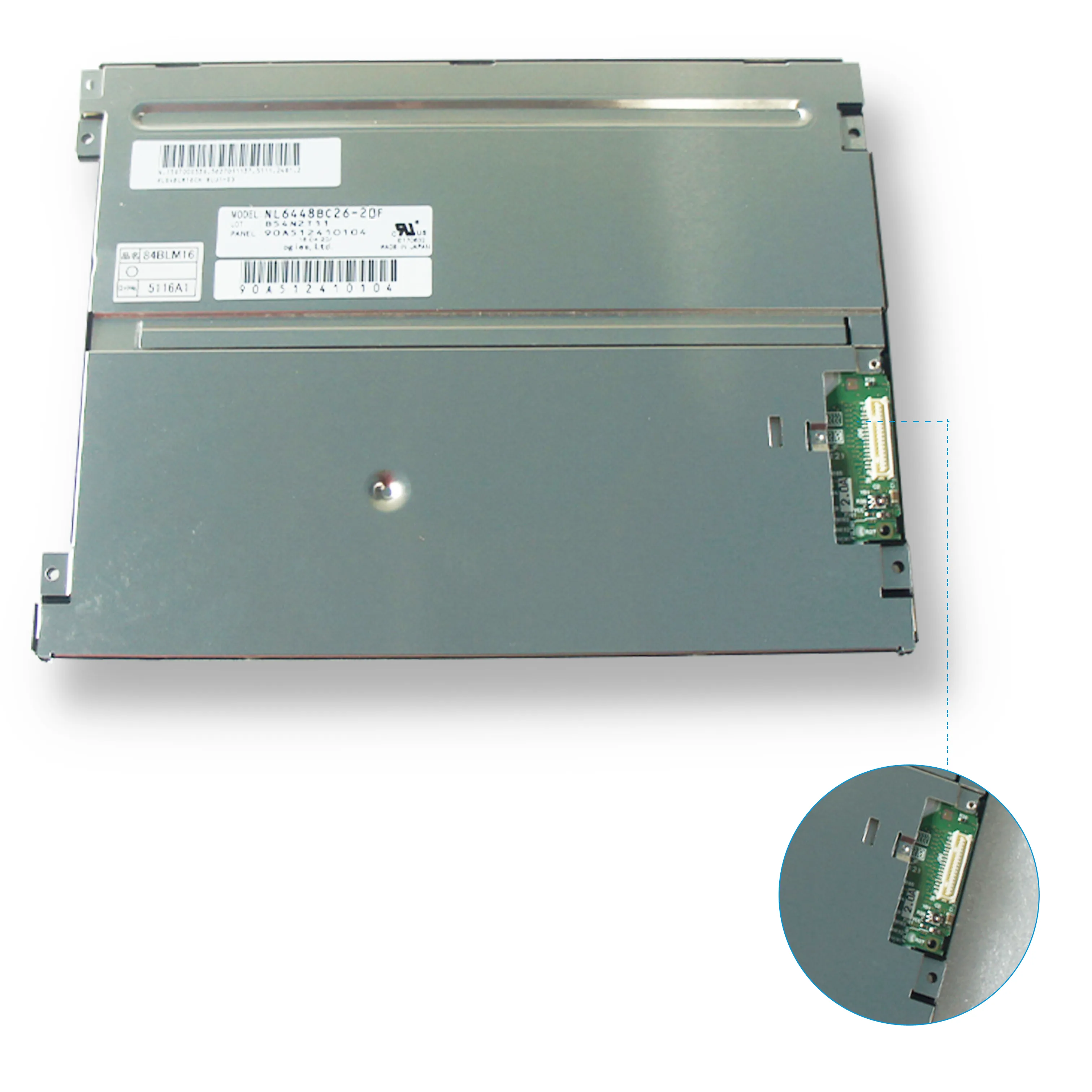
In the intricate ecosystem of electronic components, the display panel often serves as the critical interface between human and machine. Among the myriad of specialized parts, the AA104VC11 LCD panel emerges as a notable component, frequently specified in repair manuals and BOM (Bill of Materials) lists for a range of devices. This article delves deep into this specific model, moving beyond a simple part number to explore its technical DNA, application landscape, and the considerations that define its role in modern electronics.
Our exploration will dissect the AA104VC11's core specifications, unravel its typical use cases, and provide practical guidance for sourcing and integration. Whether you are a hardware engineer, a technical procurement specialist, or an advanced repair technician, understanding the nuances of such a component is key to successful implementation and troubleshooting. This comprehensive guide aims to transform the opaque code "AA104VC11" into a clear blueprint of functionality and opportunity. Decoding the AA104VC11: Core Specifications and Interface
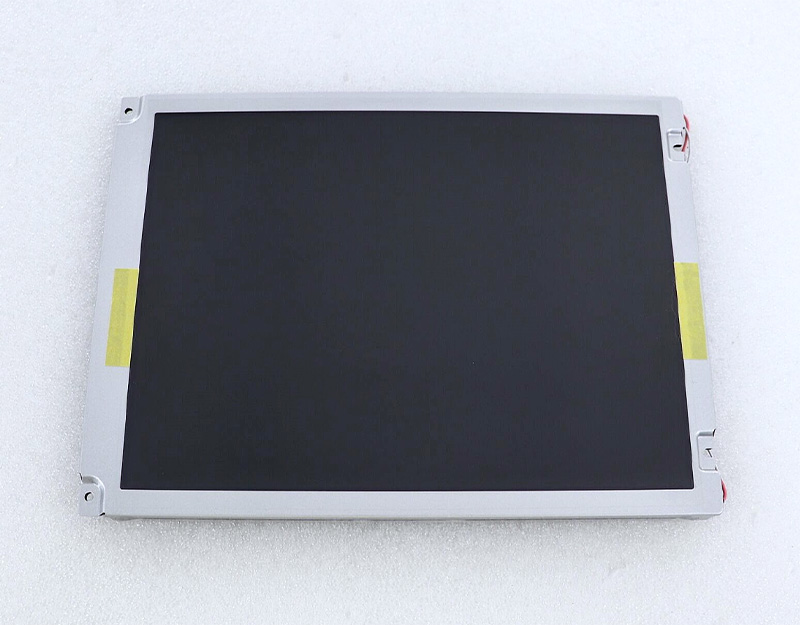
The AA104VC11 is a 10.4-inch diagonal Liquid Crystal Display (LCD) module, utilizing a-Si (amorphous Silicon) TFT (Thin-Film Transistor) technology. This active-matrix design is standard for delivering sharp, responsive images. The "VC" in its nomenclature often indicates a specific series or revision from the manufacturer. Key to its identity is its native resolution, typically 800 x 600 pixels (SVGA), which offers a balanced pixel density for industrial and embedded applications. Its interface is a defining characteristic. The panel almost certainly employs an LVDS (Low-Voltage Differential Signaling) interface. LVDS is a dominant standard for transmitting high-speed digital video data from a controller board to the display, offering excellent noise immunity and lower power consumption compared to older TTL interfaces. The exact pin configuration and bit lane count (e.g., single or dual-channel) are critical for compatibility. Furthermore, the backlight system, commonly CCFL (Cold Cathode Fluorescent Lamp) given the panel's era, requires an inverter for power, adding a layer to the power design.

Typical Applications and Ecosystem Context
The AA104VC11 did not power consumer tablets or laptops. Its specifications point firmly towards the industrial and embedded systems market. The 10.4-inch SVGA format was a workhorse size for Human-Machine Interface (HMI) panels in factory automation, medical diagnostic equipment, point-of-sale systems, and vehicle telematics units. These environments demand reliability, long-term availability, and robustness over cutting-edge resolution. The panel was likely designed as a drop-in component for specific chassis or controller boards from OEMs (Original Equipment Manufacturers). Understanding this context is crucial: the AA104VC11 is often a replaceable part within a larger, purpose-built system. Its value lies in maintaining the operational life of expensive capital equipment long after the original display model has ceased mass production.
The Critical Role of the LCD Controller Board
An LCD panel like the AA104VC11 is a passive component; it cannot function without a dedicated controller board (often called a timing controller or LCD driver board). This board performs the essential translation, converting a video signal from a source (like VGA, DVI, or HDMI from a single-board computer) into the precise LVDS signaling protocol the panel understands. Matching the panel to the correct controller is a meticulous process. The board must support the panel's exact resolution, pixel clock, LVDS voltage swing, and pin mapping. Using an incompatible controller can result in no display, distorted images, or permanent damage. For the AA104VC11, finding a pre-configured controller board labeled with its part number is the most reliable path for a successful integration or repair project.
Sourcing Challenges and Supply Chain Considerations
As a component that has likely reached its End-of-Life (EOL) phase from the original manufacturer, sourcing the genuine AA104VC11 presents specific challenges. The market is split between: New Old Stock (NOS): Authentic, unused panels from remaining inventory.
Refurbished/Used Pulls: Panels harvested from decommissioned equipment, tested for functionality.
Compatible Alternatives: New panels from other manufacturers designed as "drop-in replacements."
Procurement requires diligence. Buyers must verify physical dimensions (mounting hole patterns, bezel size), interface compatibility, and backlight type. Reputable suppliers will provide detailed datasheets and compatibility guarantees. The price point often reflects scarcity and testing rigor, with NOS commanding a premium over used pulls.
Integration and Compatibility Verification Steps
Successful integration hinges on systematic verification. First, obtain the official datasheet for the AA104VC11, which details electrical requirements, pinouts, and mechanical drawings. Second, secure a compatible controller board that explicitly lists support for this panel model. The physical connection is typically made via a standard LVDS cable (e.g., 30-pin or 40-pin), but the pin assignment must be confirmed. Before final assembly, a bench test is imperative. Connect the panel to the controller and a known-good video source. Check for:
A clean, stable image across the entire screen.
Uniform backlight brightness without discoloration or "hot spots."
Absence of dead pixels or line defects.
This step mitigates the risk of installing a faulty panel into a larger assembly.
Maintenance, Troubleshooting, and Longevity
Common failure points for panels like the AA104VC11 include the CCFL backlight tubes (which dim over time or fail), the inverter board powering them, and the internal capacitors on the panel's own control PCB. Troubleshooting often involves isolating the fault: does a faint image appear under bright light? If so, the backlight or inverter is suspect. If the screen is completely dead, the issue could be power, the controller, or the panel itself. To extend longevity, ensure the operating environment stays within specified temperature and humidity ranges. Avoid physical stress on the LVDS connector and cable. For systems with failing CCFL backlights, a modern upgrade path involves replacing the CCFL assembly with an LED backlight kit, which offers lower power draw, longer life, and no inverter requirement.
Frequently Asked Questions (FAQs)
Q1: What is the AA104VC11 LCD panel?A: It is a 10.4-inch SVGA (800x600) TFT LCD display module, commonly using an LVDS interface, designed for industrial applications.
Q2: What does the "AA104VC11" model number mean?A: Typically, "AA" may denote the series, "104" indicates a 10.4-inch size, and "VC11" is a manufacturer-specific revision or variant code.
Q3: Can I connect this panel directly to a computer's VGA port?A: No. It requires an intermediate LCD controller board to convert VGA (or other signals) into the LVDS protocol the panel understands.
Q4: Is the backlight CCFL or LED?A: Given its era and common use, the original configuration is most likely CCFL, requiring a separate inverter board.
Q5: Where is this display panel commonly used?A> In industrial HMIs, medical devices, legacy POS systems, and embedded computing terminals.
Q6: How do I find a compatible controller board for it?A: Search for "LCD controller board" along with the exact model number "AA104VC11". Suppliers often list compatible panels.
Q7: What are the main risks when buying this panel?A: Receiving a incompatible variant, a panel with dead pixels, or a failing CCFL backlight. Always request a test image/video.
Q8: Can I replace its CCFL backlight with an LED?A: Yes, LED retrofit kits are available and can improve longevity and efficiency, but require careful installation.
Q9: What should I check if the screen is blank but power is on?A> Check the inverter output, backlight functionality (look for a faint image), LVDS cable seating, and controller board power/input signal.
Q10: Is this panel still in production?A> It is likely End-of-Life (EOL). Available stock is typically New Old Stock (NOS) or refurbished units from equipment pulls.
Conclusion
The AA104VC11 LCD panel is more than a spare part number; it represents a specific era and philosophy in industrial display design where reliability and longevity were paramount. Navigating its world requires an understanding of its technical ecosystem—particularly the symbiotic relationship between the passive panel and its active controller board. The challenges of sourcing and integration are balanced by the significant value of restoring or maintaining critical equipment. For engineers and technicians, mastering components like the AA104VC11 is a testament to practical electronics knowledge. It underscores the importance of reading datasheets, verifying compatibility, and executing meticulous testing. In a world of rapidly obsolescing technology, the ability to sustain legacy systems through informed component-level repair remains a highly valuable skill, ensuring functionality and preserving investment far beyond a product's marketed lifecycle.