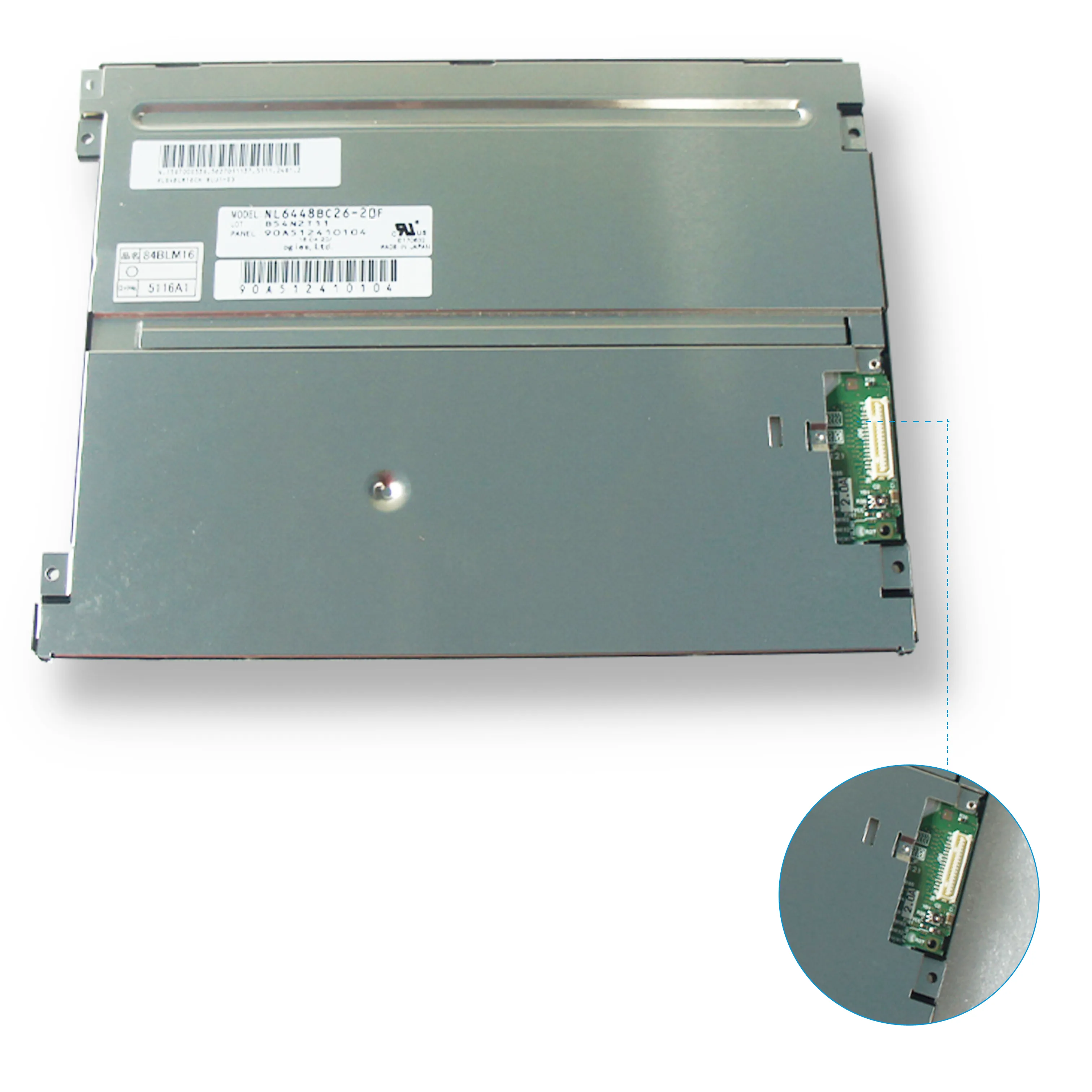
AA084VC08 Mitsubishi 8.4-inch TFT LCD panel
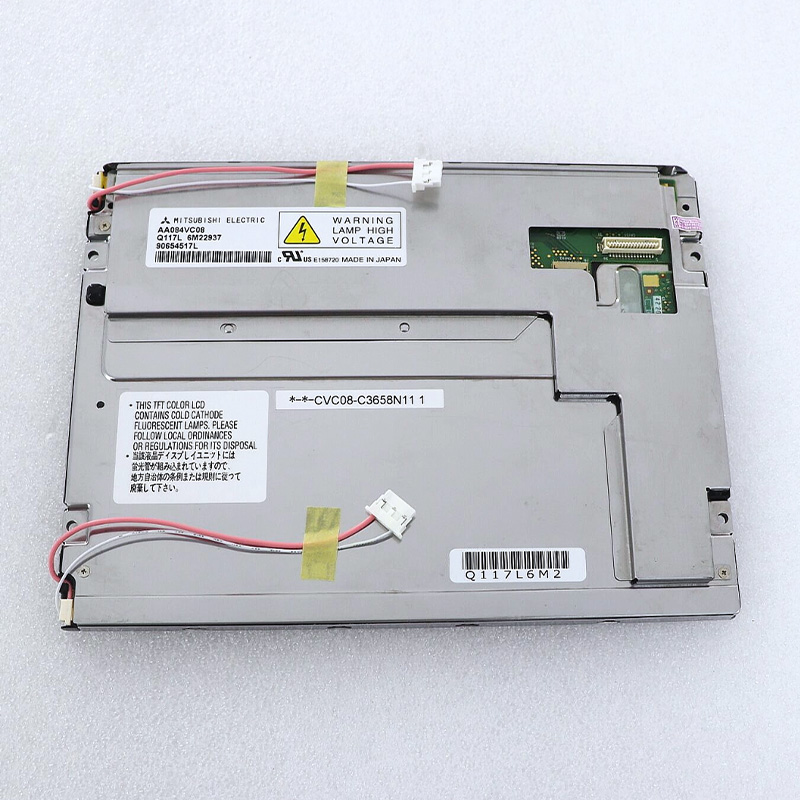
In the intricate world of industrial and commercial display solutions, the choice of a panel can define the performance, reliability, and user experience of an entire system. Among the myriad of options, the AA084VC08 from Mitsubishi Electric stands out as a notable and robust component. This 8.4-inch TFT LCD panel represents a specific convergence of engineering precision and practical application design, tailored for environments where consistency and durability are non-negotiable.
This article delves into a comprehensive analysis of the Mitsubishi AA084VC08. We will move beyond basic specifications to explore its core technological architecture, the rationale behind its design choices, and its ideal application ecosystems. By examining its performance under stress, its integration complexities, and its position in the current market landscape, we aim to provide engineers, procurement specialists, and product developers with a deep, actionable understanding of where and why this panel excels, and what considerations are paramount for its successful deployment.
Core Technology and Specification Breakdown
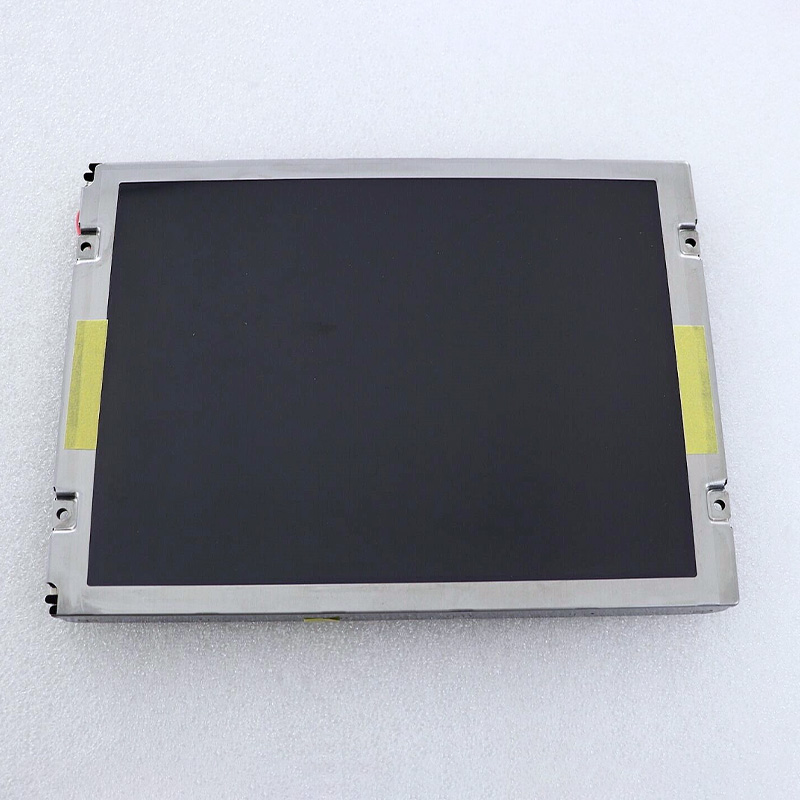
The Mitsubishi AA084VC08 is built around a TFT-LCD (Thin-Film Transistor Liquid Crystal Display) module with a diagonal screen size of 8.4 inches and a resolution of 800 x 600 pixels (SVGA). This 4:3 aspect ratio is a defining characteristic, signaling its design heritage for industrial and medical equipment where this format remains standard. The panel typically employs a high-brightness CCFL (Cold Cathode Fluorescent Lamp) backlight system, a technology chosen for its stable light output and wide operating temperature range, often spanning from -20°C to 70°C. Beyond these basics, critical specifications include its color depth, viewing angles, and interface. It commonly supports a wide color gamut and offers consistent viewing angles, typically around 140 degrees horizontally and vertically. The interface is usually LVDS (Low-Voltage Differential Signaling), a robust and noise-resistant standard perfect for transmitting high-speed data over longer cables within a machine chassis. Understanding these specs is not about memorization, but about recognizing their implications for stability, longevity, and signal integrity in demanding settings.
Design Philosophy and Target Applications
Mitsubishi engineered the AA084VC08 not for the consumer market, but for the rigorous demands of embedded systems. Its design philosophy prioritizes longevity, reliability, and deterministic performance over the slim profiles and ultra-high contrast ratios sought in televisions or smartphones. The use of a metal bezel and frame, the selection of industrial-grade connectors, and the optimization for continuous operation all point to this intent. This makes the panel a prime candidate for specific verticals. In industrial automation, it serves as the human-machine interface (HMI) on factory floor control panels, PLC interfaces, and test equipment. In the medical field, it finds use in diagnostic devices, patient monitoring systems, and laboratory instruments, where accurate color representation and 24/7 reliability are critical. Transportation and avionics are other key areas, where the panel's ability to withstand vibration and extreme temperatures is invaluable.
Performance Analysis: Brightness, Contrast, and Durability
Evaluating the AA084VC08's performance requires metrics relevant to its mission. Its high brightness level, often 400 nits or more, ensures readability in brightly lit industrial workshops or under direct medical lighting. The contrast ratio, while not comparable to modern VA or OLED panels, is sufficient for delivering clear differentiation between UI elements, graphs, and text in a controlled professional environment. The true performance differentiator is durability. The panel is designed for a long operational lifespan, often rated for tens of thousands of hours. Its wide temperature tolerance ensures it boots and operates reliably in unheated warehouses or in the confined, heat-generating spaces of machinery. This resilience against environmental stressors—humidity, shock, vibration—is what separates an industrial panel like this from a commercial-grade one. It’s performance defined by unwavering operation, not by peak aesthetic metrics.
Integration Challenges and Interface Considerations
Integrating the AA084VC08 into a new product is a significant engineering task. The LVDS interface requires a compatible controller board or a processor with an LVDS transmitter. Designers must carefully manage the power supply sequencing for the panel and its backlight to prevent damage, a process detailed in the manufacturer's datasheet. The CCFL backlight necessitates an inverter circuit, adding to power design complexity and requiring attention to electromagnetic interference (EMI). Furthermore, mechanical integration is crucial. The panel's dimensions and mounting holes must be precisely accommodated in the product housing. Heat dissipation for both the panel and the inverter must be planned, as excessive heat is the primary enemy of electronic longevity. Successful integration hinges on treating the panel not as a simple output device, but as a core subsystem with specific power, signal, and physical requirements.
The Competitive Landscape and Modern Alternatives
Today, the AA084VC08 exists in a market filled with alternatives. The most direct pressure comes from panels using LED backlighting, which offer lower power consumption, thinner profiles, and no inverter requirement. Newer interfaces like MIPI-DSI are also becoming common. However, the AA084VC08 and its ilk retain advantages in niche areas: CCFL backlights can offer more uniform brightness over a wider temperature range, and the mature LVDS interface is well-understood and robust. Its competition also includes newer 8.4-inch panels with higher resolutions (1024x768) or different aspect ratios (16:9). The choice often boils down to a trade-off: adopting a newer technology for efficiency versus relying on a proven, battle-tested solution like the AA084VC08 where form factor and system compatibility are already established, and long-term supply is guaranteed for the lifecycle of a capital-grade product.
Procurement and Lifecycle Management Strategy
For businesses, procuring and managing the lifecycle of such a specialized component is strategic. The AA084VC08 is often part of a long-term supply program, crucial for manufacturers who need to support their products for a decade or more. When sourcing, it is vital to work with authorized distributors or directly with Mitsubishi to avoid counterfeit or reclaimed components that fail to meet the original specifications. Lifecycle management involves forecasting demand, securing inventory for future production runs, and planning for end-of-life (EOL) notifications. A proactive strategy includes evaluating potential drop-in replacements or planning a future product revision. The value of the AA084VC08, therefore, extends beyond its technical specs to encompass supply chain stability and risk mitigation for the OEM's entire product line.
FAQs: Mitsubishi AA084VC08 TFT LCD Panel
Q1: What is the screen resolution of the AA084VC08?A: It has an SVGA resolution of 800 x 600 pixels.
Q2: What type of backlight does it use?A: It typically uses a CCFL (Cold Cathode Fluorescent Lamp) backlight system.
Q3: What is the main interface for this panel?A: The primary interface is LVDS (Low-Voltage Differential Signaling).
Q4: What are the typical operating and storage temperature ranges?A: Operating temperature often ranges from -20°C to +70°C, with storage temperature being even wider.
Q5: Is this panel suitable for consumer devices like tablets?A: No, it is designed for industrial, medical, and embedded applications where durability and long-term reliability are key.
Q6: What are the advantages of a CCFL backlight over LED?A: CCFL can offer excellent brightness uniformity and stable performance across a very wide temperature range.
Q7: What are the main challenges when integrating this panel?A: Key challenges include managing LVDS interface compatibility, power sequencing for the panel and backlight inverter, and heat dissipation.
Q8: Is the AA084VC08 still in production?A: Availability varies; it's essential to check with Mitsubishi or authorized distributors for current production and lifecycle status.
Q9: Can it display touch functionality?A: The AA084VC08 is a display panel only. Touch functionality requires the addition of a separate resistive or capacitive touchscreen overlay.
Q10: What is the aspect ratio, and why is it important?A: It has a 4:3 aspect ratio, which is standard for many legacy and industrial systems, ensuring compatibility with existing UI designs.
Conclusion
The Mitsubishi AA084VC08 8.4-inch TFT LCD panel is far more than a simple display; it is a specialized component engineered for mission-critical applications. Its value lies in its proven reliability, wide operational tolerance, and design tailored for the harsh realities of industrial, medical, and transportation environments. While newer technologies offer advantages in power and size, the AA084VC08's strengths in stability, uniformity, and long-term supply security make it a rational and robust choice for many embedded system designers. Selecting this panel is a decision that prioritizes lifecycle cost, system reliability, and risk aversion over cutting-edge consumer display features. For projects where failure is not an option and product lifetimes are measured in years or decades, understanding and leveraging the specific capabilities of components like the AA084VC08 remains a cornerstone of successful engineering and product strategy.