






- Industrie-LCD-Display
-
Industrial Products
- DC Servo Drive
- AC Servo Drive
- other
- Heidelberg
- FANUC
- IFM
- Meter
- CCD
- Membrane Keypad
- Film
- YOKOGAWA
- Card
- ABB
- MITSUBISHI
- FANUC
- KEYENCE
- BECKHOFF
- Honeywell
- HOLLYSYS
- FUJI servo drives
- HP
- solenoid valve
- thermostat
- Siemens adapter
- color oscilloscope
- Fujitsu connector
- CHELIC
- SMC
- CISCO
- INTEL
- Key board
- FAIRCHILD
- Der Aufsichtsrat
- Board
- Bearing
- other
- Control Panel
- Contactor
- Circuit
- Omron
- Relais.
- Der controller
- Optoelektronische schalter
- Optoelektronische sensoren
- Original
- Fan
- Motortreiber
- Endschalter
- Verstärker
- power supply
- LENZE
- Cable
- Encoder
- Sensor
- Transformator
- Fiber Optic Sensor
- Schutzrelais
- Temperaturregler
- Näherungsschalter
- Switch Sensor
- Siemens
- PCB
- HMI Touch-Glas
-
HMI-Vollautomat Ganze Einheit
- OMRON HMI Touch Panel
- Siemens HMI Touch Panel
- Mitsubishi HMI Touch Panel
- Allen-Bradley Automatisierung HMI Touch
- DELTA HMI Touch Panel
- EVIEW DELTA HMI Touch Panel
- KINCO DELTA HMI Touch Panel
- HITECH HMI Touch Panel
- WEINTECK HMI Touch Panel
- TECVIEW HMI Touch Panel
- WEINVIEW HMI Touch Panel
- PRO-FACE HMI Touch Panel
- SIMATIC HMI Touch Panel
- AMPIRE HMI Touch Panel
- HEIDELBERG HMI Touch Panel
- PANASONIC HMI Touch Panel
- PATLITE HMI Touch Panel
- KYOCERA HMI Touch Panel
- KEYENCE HMI Touch Panel
- WEINVIEW HMI Touch Panel
- HITECH HMI Touch Panel
- FUJI HMI Touch Panel
- HAKKO HMI Touch Panel
- SCHNEIDER HMI Touch Panel
- SAMKOON touch panel
- andere
- Module
- LCD Wechselrichter
- Membran Tastenfeld Schalter
- Winni Touch Screens
- Frequenzumrichter
- Servo Motor
- PLC




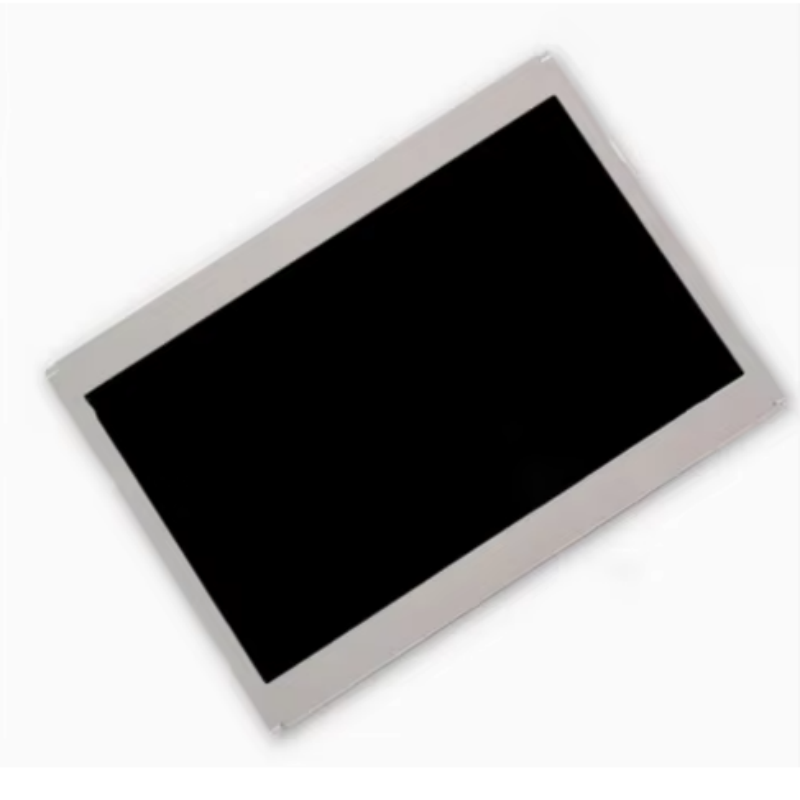
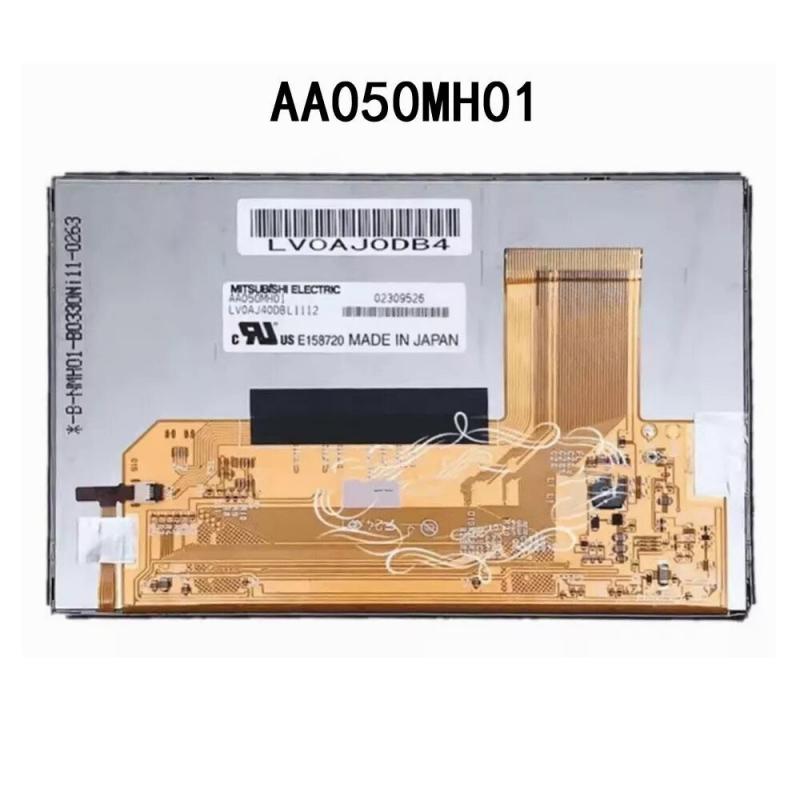
In the intricate world of industrial and embedded display solutions, the Mitsubishi AA050MH01 stands out as a benchmark of reliability and performance. This 5-inch TFT-LCD module, with its 800 x 480 (WVGA) resolution, represents more than just a screen; it is a critical interface component engineered for demanding environments. From factory automation panels and medical monitoring devices to portable instrumentation and transportation systems, this display is designed where consistent readability and robust operation are non-negotiable.
This article delves into a comprehensive technical and application-focused analysis of the AA050MH01. We will move beyond basic specifications to explore its unique optical characteristics, the engineering behind its durability, and the practical considerations for system integration. Our goal is to provide engineers, product designers, and procurement specialists with the depth of understanding needed to evaluate this module not just as a commodity, but as a pivotal component that can define the user experience and longevity of their end product.
Optical Performance and Viewing Experience
The core value of any display lies in its ability to present information clearly under various conditions. The AA050MH01 employs a high-quality TFT-LCD panel that delivers a bright, crisp image with its 800x480 resolution, offering a balanced pixel density for a 5-inch diagonal. The module typically features a high brightness rating, ensuring visibility in well-lit industrial settings or under ambient sunlight.
Beyond brightness, contrast ratio and color performance are crucial. This Mitsubishi module provides a stable contrast ratio, producing deep blacks and distinct shades essential for detailed graphics and text. Its color gamut is tailored for accurate representation of status indicators, graphs, and user interface elements. Furthermore, the availability of different backlight technologies (such as LED) and optional optical bonding enhances the viewing experience by reducing glare and improving optical clarity, which is vital for reducing operator eye strain during prolonged use.
Robust Construction and Environmental Durability
What separates industrial-grade components from consumer ones is their resilience. The AA050MH01 is built to withstand the rigors of challenging operating environments. Its construction is designed to resist vibrations and minor impacts common in mobile or factory-floor applications. The module operates reliably across a wide temperature range, often from -20°C to +70°C or similar, ensuring functionality in both freezing cold and hot enclosures.
Environmental sealing, while dependent on the specific integration, is a key consideration. The display can be implemented within sealed systems to provide protection against dust and moisture ingress, conforming to relevant IP ratings as per the end-product design. This durability extends the product lifecycle, reduces failure rates, and minimizes maintenance costs, making it a cost-effective solution over time despite a potentially higher initial investment compared to commercial screens.
Interface and Signal Integration
Seamless integration into a larger electronic system is paramount. The AA050MH01 commonly features a standard parallel RGB interface, which is a widely supported and reliable method for connecting to microprocessors, FPGAs, or dedicated display controllers. This interface provides direct control over pixel data, enabling fast rendering and refresh rates suitable for dynamic content.
Understanding the timing requirements, voltage levels, and control signals (such as Hsync, Vsync, and DE) is critical for engineers during the design-in phase. The module's datasheet provides essential timing diagrams and electrical characteristics. Additionally, the integration of the power supply for the LCD panel and the backlight (often requiring a separate, higher-voltage inverter or LED driver circuit) is a key design task that impacts overall power consumption and thermal management.
Power Management and Backlight Considerations
Efficient power design is crucial, especially for portable or battery-operated devices utilizing this display. The AA050MH01's power consumption is dominated by its backlight. Designers must carefully plan the backlight driver circuit—whether it's a CCFL inverter or a constant-current LED driver—to maximize efficiency and brightness control.
Implementing dimming capabilities, either through PWM (Pulse Width Modulation) or analog control, allows for significant power savings and adaptability to ambient light conditions. Proper thermal design around the backlight unit also ensures long-term reliability and prevents brightness degradation. Managing the power-up/power-down sequencing of the core LCD logic and the backlight is another subtle but important detail that ensures stable operation and prevents potential image retention or damage.
Application-Specific Design Challenges
The theoretical advantages of the AA050MH01 are realized only when it is successfully applied. In medical devices, electromagnetic compatibility (EMC) and signal integrity are paramount to avoid interference with sensitive equipment. In automotive or transportation applications, extended temperature cycling and resistance to condensation become critical design foci.
For human-machine interfaces (HMIs), the choice of touch technology (resistive, capacitive) added to the display creates another layer of integration, affecting the optical stack-up, mechanical mounting, and driver software. Each application domain imposes unique constraints on mechanical mounting, bezel design, and optical enhancement filters (anti-glare, anti-smudge), requiring a holistic design approach where the display is considered as part of a complete system, not an isolated component.
Lifecycle and Supply Chain Strategy
For products with multi-year development and deployment cycles, component longevity is a strategic concern. Mitsubishi, as a established industrial supplier, typically offers longer product lifecycle support for modules like the AA050MH01 compared to consumer display vendors. This mitigates the risk of forced redesigns due to component end-of-life (EOL) notices.
Procurement specialists and engineers must evaluate the supply chain stability, availability of second sources or pin-compatible alternatives, and the manufacturer's track record for long-term support. Investing in a well-documented, stable module like the AA050MH01 can prevent future production halts and costly re-certification processes in regulated industries, providing significant long-term value and peace of mind.
FAQs
Q: What are the main advantages over a consumer-grade 5-inch screen?A: Key advantages include wider temperature range, longer lifecycle support, higher reliability, consistent quality, and often better brightness and durability.
Conclusion
The Mitsubishi AA050MH01 5-inch TFT-LCD module exemplifies the engineering rigor required for professional embedded display solutions. Its value proposition extends far beyond its basic WVGA resolution and compact form factor. As we have explored, its true worth is realized in its robust optical performance, environmental durability, and reliable integration capabilities that meet the stringent demands of industrial, medical, and transportation applications.
Selecting such a component is a strategic decision that impacts not only the immediate functionality of a product but also its long-term manufacturability, maintenance costs, and user satisfaction. For designers seeking a dependable, high-quality display interface that will perform consistently over the lifespan of their product, the AA050MH01 represents a proven and reliable choice, underscoring the principle that in critical systems, the quality of the interface component is integral to the quality of the whole.