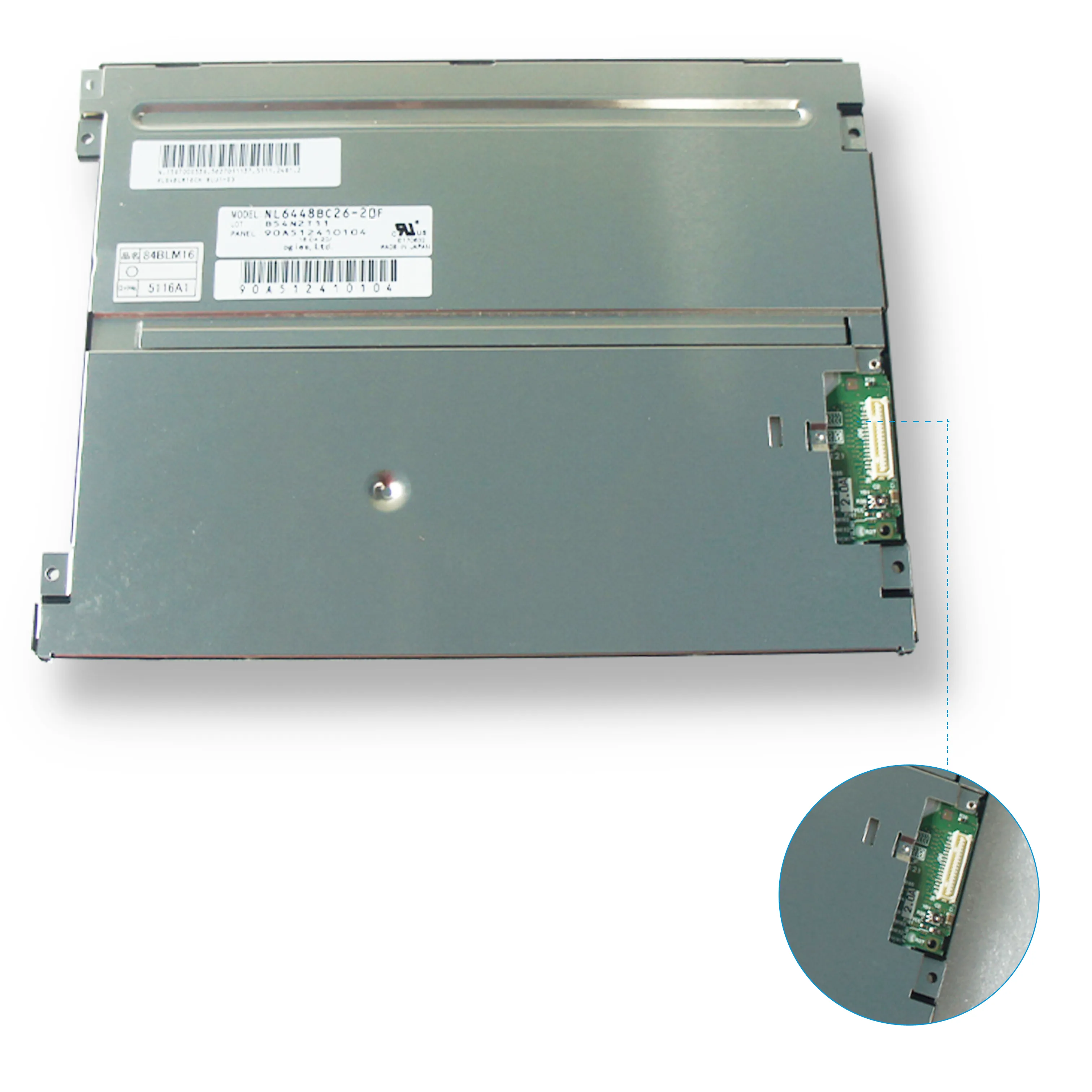
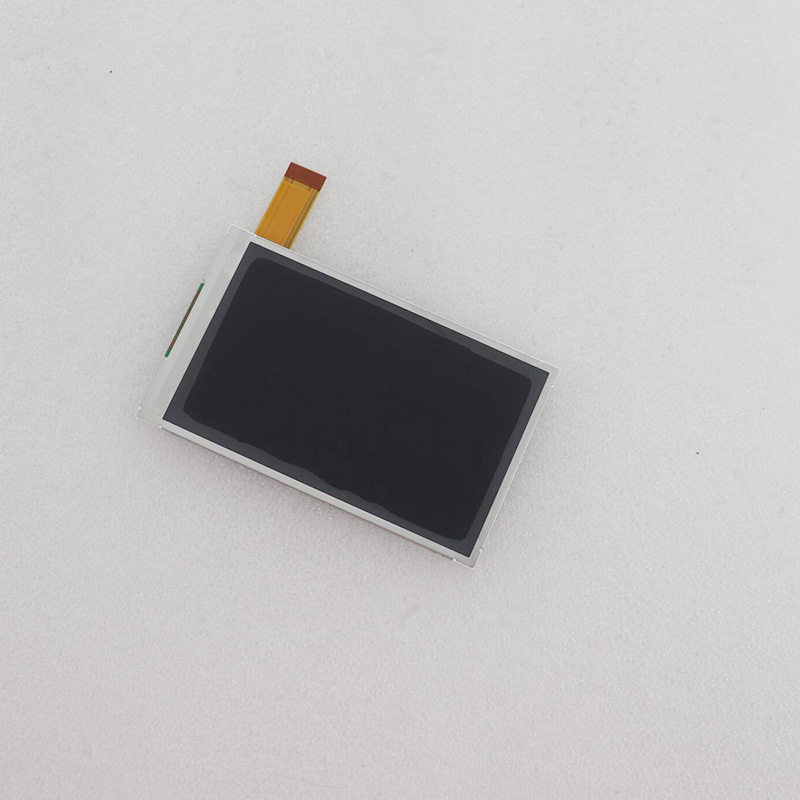
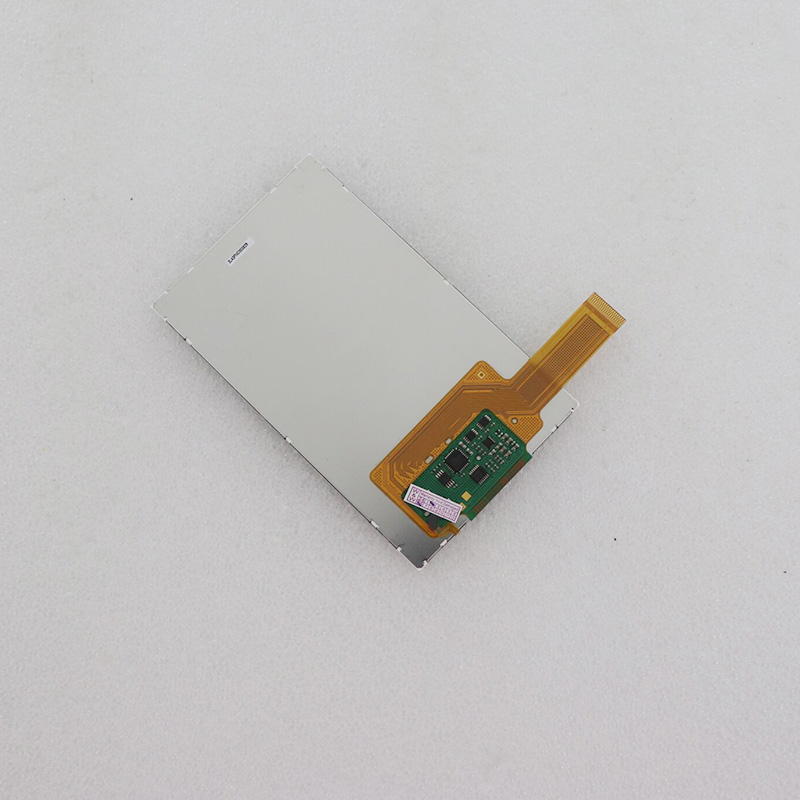
COM43H4N90ULC Ortustech 4.3" TFT-LCD screen
In the intricate world of electronic components, the display often serves as the critical bridge between a device's functionality and the user's experience. For engineers, product designers, and procurement specialists, selecting the right TFT-LCD module is a decision that balances technical specifications, reliability, and cost. This article delves into a detailed examination of the COM43H4N90ULC, a 4.3-inch TFT-LCD screen module from Ortustech, a notable player in the display solutions arena.
Our exploration moves beyond basic datasheet parameters to uncover the practical implications of its features. We will analyze its core technology, interface compatibility, optical performance under various conditions, and the rugged construction that defines its application potential. By dissecting the COM43H4N90ULC, we aim to provide a comprehensive resource that aids in determining whether this specific module is the optimal visual interface for industrial, medical, or embedded systems requiring a compact yet robust display solution. Core Technology and Architectural Overview
The COM43H4N90ULC is built around an a-Si (amorphous Silicon) TFT (Thin-Film Transistor) LCD panel, a mature and reliable technology known for its consistent performance and cost-effectiveness for mid-size displays. The "4.3-inch" designation refers to the diagonal measurement of the active area, which provides a resolution of 480 x 272 pixels. This WVGA format offers a clear balance between detail and the physical constraints of the compact form factor. Architecturally, the module integrates the LCD panel, driver ICs, backlight unit (LED), and touch panel (if specified) into a single, cohesive unit. This integration significantly reduces design complexity for OEMs, as the timing controller, power supply, and LVDS interface receiver are embedded. The module is designed as a system-on-glass solution, where critical drivers are mounted directly on the glass substrate, enhancing reliability by minimizing interconnects and potential points of failure.
Interface and Signal Integration
Communication between the host controller and the COM43H4N90ULC is primarily facilitated through an LVDS (Low-Voltage Differential Signaling) interface. LVDS is the industry standard for high-speed data transmission in displays, prized for its robustness against electromagnetic interference (EMI) and its ability to transmit data over longer cables with low power consumption. This makes the module exceptionally suitable for industrial environments where noise immunity is paramount. The module typically accepts a single-channel LVDS input, supporting 18-bit or 24-bit RGB data for color depth. This seamless integration allows mainboard designers to connect a standard LVDS transmitter output directly to the display's input connector. Understanding the pin configuration, power sequencing requirements, and signal timing is crucial for a stable image without flicker or artifacts, a process greatly simplified by the module's all-in-one design.
Optical Performance in Demanding Environments
Spec sheets list brightness, contrast, and viewing angles, but the true test of a display is in sub-optimal lighting. The COM43H4N90ULC often features a brightness rating of 300-500 nits, enabling reasonable readability in indoor settings. For high-ambient light applications, options with higher brightness or optical bonding are key considerations. Optical bonding, the process of laminating the touch panel directly to the LCD with a clear resin, is a critical differentiator. It reduces internal reflection, minimizes dust ingress, and dramatically improves sunlight readability by cutting glare. Furthermore, a wide operating temperature range (often -20°C to 70°C) ensures that the display's response time and color uniformity remain stable across the harsh conditions found in automotive, outdoor kiosk, or factory floor deployments.
Ruggedized Design and Mechanical Durability
Beyond the electronics, the physical construction of the COM43H4N90ULC is engineered for endurance. The front surface usually incorporates a hardened glass cover lens, providing scratch resistance and protection for the underlying LCD and touch sensor. The metal frame and robust mounting brackets ensure the module can withstand significant vibration and shock, a necessity in mobile or heavy machinery applications. The sealing of the module is another vital aspect. A well-sealed design, often achieving an IP65 or similar rating at the front panel, protects against dust and low-pressure water jets. This level of ingress protection is invaluable for devices used in medical, food processing, or outdoor environments, where contamination or occasional cleaning with liquids is a routine occurrence.
Touch Technology and Integration Choices
Many variants of the COM43H4N90ULC come with integrated touch functionality, primarily using Projected Capacitive (PCAP) or Resistive technology. PCAP offers multi-touch capability, superior clarity, and a highly durable glass surface, making it ideal for modern user interfaces. Resistive touch, while supporting only single-touch, can be operated with gloves or a stylus, which is critical in industrial or medical settings. The integration of the touch controller within the module's ecosystem simplifies driver development and calibration. For PCAP versions, this means the controller chip is mounted on the module's PCB, outputting data via I2C or USB interface. This plug-and-play approach reduces time-to-market for product developers, who can focus on application software rather than low-level touch signal processing.
Application Spectrum and Selection Criteria
The combination of compact size, robust build, and reliable performance positions the COM43H4N90ULC in a diverse application landscape. It is commonly found in portable medical diagnostic devices, industrial human-machine interfaces (HMIs), automotive telematics systems, smart home controllers, and point-of-sale terminals. Its value lies in offering a complete, tested display subsystem. Selection criteria must extend beyond initial cost. Engineers must evaluate total cost of ownership, which includes longevity, failure rates in the field, and supplier support. Ortustech's role as a module integrator means they handle panel sourcing, quality control, and assembly, providing a single point of accountability—a significant advantage over piecing together discrete components from multiple vendors.
FAQs
Q1: What is the resolution of the COM43H4N90ULC display?A1: It has a resolution of 480 x 272 pixels, also known as WVGA.
Q2: What type of interface does this module use?A2: It primarily uses an LVDS (Low-Voltage Differential Signaling) interface for reliable data transmission.
Q3: Is a touch screen available with this display?A3: Yes, variants are available with integrated Projected Capacitive (PCAP) or Resistive touch panels.
Q4: What is the typical brightness level?A4: Brightness typically ranges from 300 to 500 nits, with higher-brightness options for outdoor use.
Q5: Can it operate in extreme temperatures?A5: Yes, it is designed for a wide operating temperature range, commonly from -20°C to 70°C.
Q6: What is optical bonding and is it offered?A6: Optical bonding laminates the touch layer to the LCD to reduce glare. It is a key option for sunlight readability.
Q7: Is this module suitable for industrial environments?A7: Absolutely. Its rugged design, metal frame, LVDS interface for EMI immunity, and wide temperature range make it ideal for industrial HMIs.
Q8: What are the physical dimensions?A8: While the viewable area is 4.3 inches diagonally, the overall module dimensions are slightly larger; consult the datasheet for exact mechanical drawings.
Q9: Who manufactures the LCD panel inside?A9: Ortustech is a module integrator. They source panels from major LCD manufacturers; the specific brand can vary by production batch.
Q10: Where is this display commonly used?A10: Common applications include medical devices, industrial controls, automotive displays, POS systems, and portable instrumentation.
Conclusion
The COM43H4N90ULC from Ortustech exemplifies the sophistication embedded within a seemingly standard 4.3-inch TFT-LCD module. Its value proposition is not merely in displaying an image, but in providing a fully engineered, reliable, and application-ready visual interface subsystem. From its robust LVDS communication and environmental durability to its integrated touch options and rugged mechanical design, each feature is tailored to meet the rigorous demands of professional and industrial markets. For product developers, the choice ultimately hinges on aligning the module's proven capabilities—sunlight readability, wide-temperature operation, and ingress protection—with the specific environmental and user-interaction challenges of the end application. In a landscape where display failure equates to product failure, the COM43H4N90ULC stands as a compelling solution that balances performance, resilience, and integration efficiency.