






- Industrial LCD display
-
Industrial Products
- DC Servo Drive
- AC Servo Drive
- other
- Heidelberg
- FANUC
- IFM
- Meter
- CCD
- Membrane Keypad
- Film
- YOKOGAWA Module
- Card
- ABB
- MITSUBISHI
- FANUC
- KEYENCE
- BECKHOFF
- Honeywell
- HOLLYSYS
- FUJI servo drives
- HP
- solenoid valve
- thermostat
- Siemens adapter
- color oscilloscope
- Fujitsu connector
- CHELIC
- SMC
- CISCO Module
- INTEL
- Key board
- FAIRCHILD
- Motherboard
- Board
- Bearing
- other
- Control Panel
- Contactor
- Circuit
- OMRON
- Relay
- Controller
- Photoelectric Switch
- Photoelectric Sensor
- Original
- Fan
- Motor Driver
- Limit Switch
- Amplifier
- power supply
- LENZE
- Cable
- Encoder
- Sensor
- Transformer
- Fiber Optic Sensor
- Protection Relay
- Temperature Controller
- Proximity Switch
- Switch Sensor
- Siemens
- Industrial board
- HMI Touch Glass
-
HMI Full Machine Whole unit
- OMRON HMI Touch Panel
- Siemens HMI Touch Panel
- Mitsubishi HMI Touch Panel
- Allen-Bradley automation HMI Touch Panel
- DELTA HMI Touch Panel
- EVIEW DELTA HMI Touch Panel
- KINCO DELTA HMI Touch Panel
- HITECH HMI Touch Panel
- WEINTECK HMI Touch Panel
- TECVIEW HMI Touch Panel
- WEINVIEW HMI Touch Panel
- PRO-FACE HMI Touch Panel
- SIMATIC HMI Touch Panel
- AMPIRE HMI Touch Panel
- HEIDELBERG HMI Touch Panel
- PANASONIC HMI Touch Panel
- PATLITE HMI Touch Panel
- KYOCERA HMI Touch Panel
- KEYENCE HMI Touch Panel
- WEINVIEW HMI Touch Panel
- HITECH HMI Touch Panel
- FUJI HMI Touch Panel
- HAKKO HMI Touch Panel
- SCHNEIDER HMI Touch Panel
- SAMKOON touch panel
- other
- Module
- lcd inverter
- Membrane Keypad Switch
- Winni Touch Screens
- Frequency Inverter
- Servo Motor
- PLC

-
![LQ190N1LW01 For sharp 19.0-inch LCD PANEL lcd screen in stock with good quality]()
-
![A101VW01 V.1 AUO 10.1inch LCD Display A101VW01 V1]()
-
![AA084XD01 Mitsubishi 8.4inch lcd display]() AA084XD01 Mitsubishi 8.4inch lcd display
AA084XD01 Mitsubishi 8.4inch lcd display
¥18896.64 -
![15.6'' 1366*768 FOR NLT LCD PANEL NL13676AC25-01D]()
-
![8.4]()
-
![G150XG01 V1 15]()
-
![NL8060BC31-41E 12.1]()
-
![New and original SP14N02L6ALCZ 5.1]()


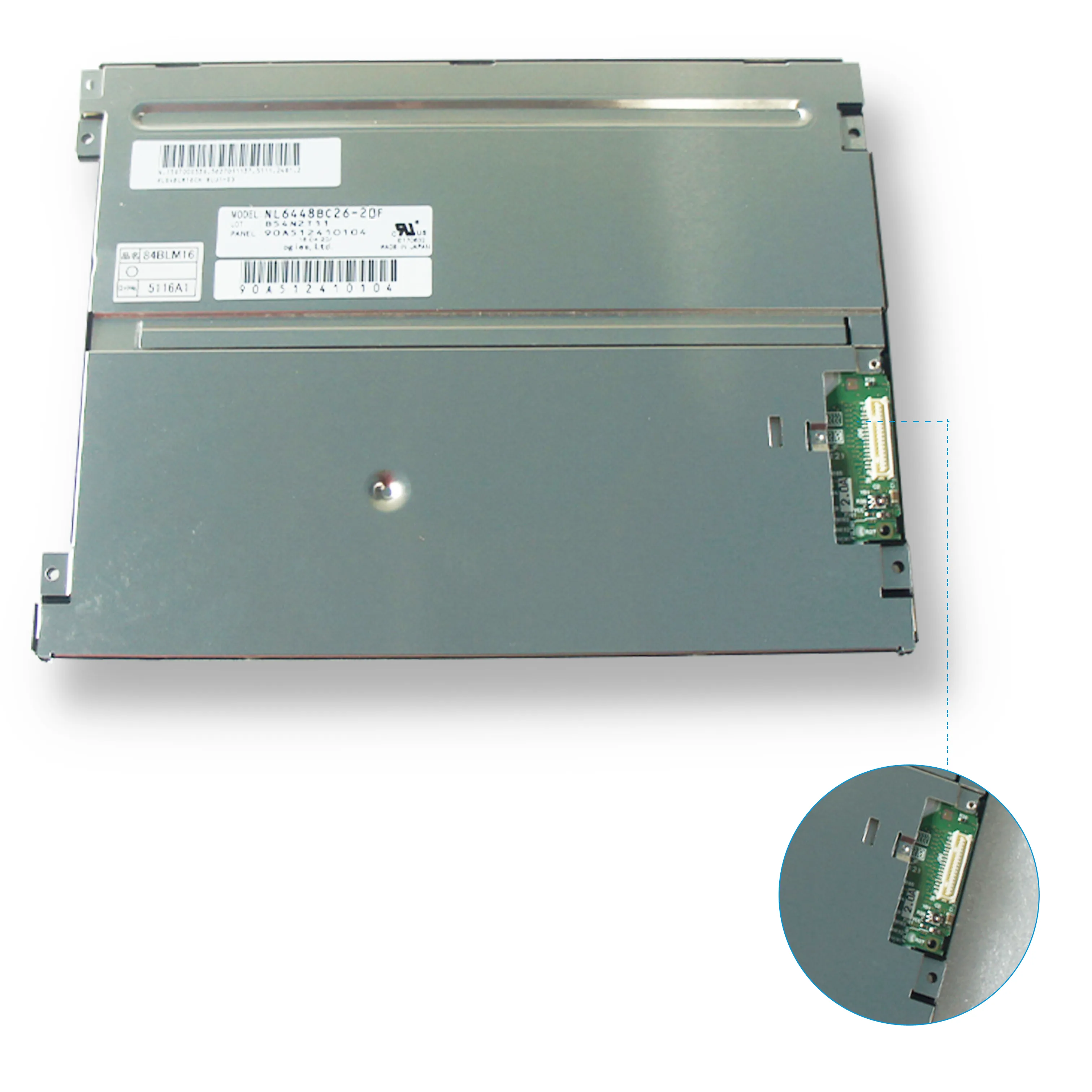


We will dissect its core technology, understand why its specific resolution became an industry standard for certain form factors, and evaluate its performance characteristics against modern alternatives. Beyond the datasheet, we will consider its role in supply chains, its suitability for various professional and commercial environments, and the factors that have contributed to its enduring relevance. Whether you are a procurement specialist, a product designer, a repair technician, or simply a tech enthusiast, this analysis aims to provide a comprehensive and valuable perspective on a component that has quietly powered digital interfaces for years.
Deconstructing the DV185WHM-NM1: Core Specifications and Technology
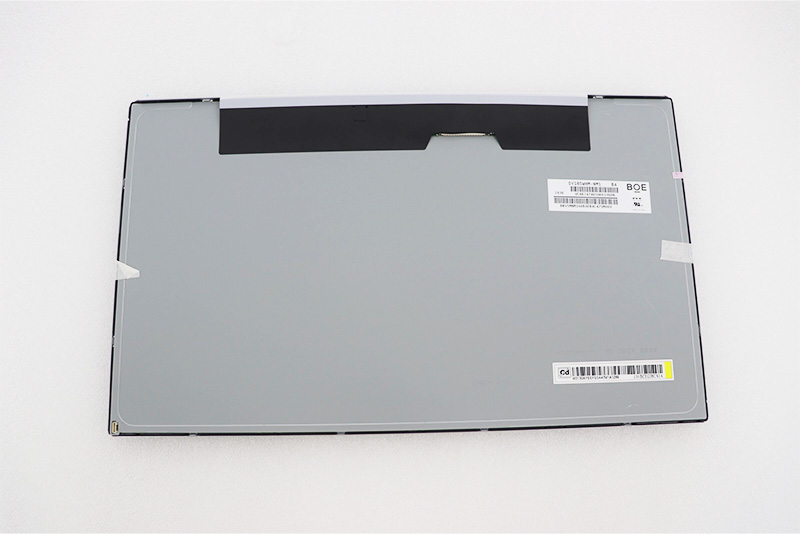
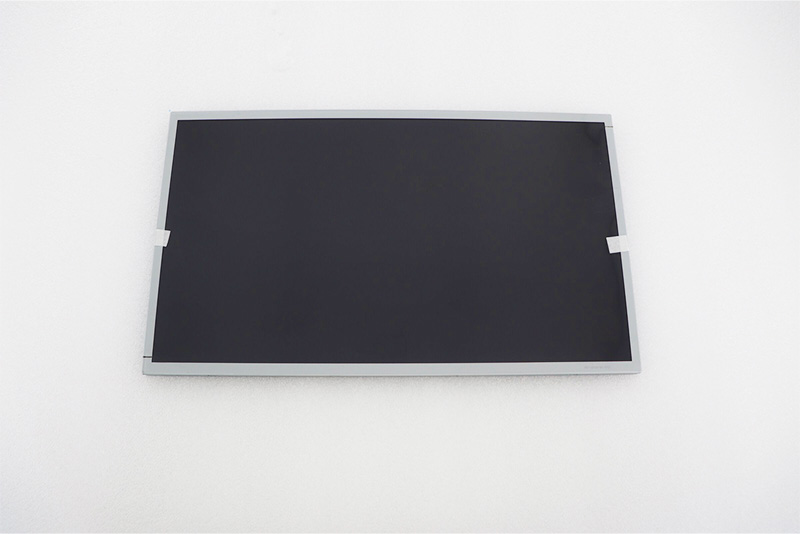
Key technical attributes include a standard brightness of 250 nits (cd/m²) and a contrast ratio typically around 700:1. Its color depth is 6-bit + FRC (Frame Rate Control), enabling it to display 16.7 million colors by rapidly cycling through color shades. The interface is almost universally LVDS (Low-Voltage Differential Signaling), a reliable and widely supported standard for such panels. Understanding these foundational specs is crucial, as they directly dictate the panel's performance envelope—its strengths in response time (often a TN panel advantage) and its limitations in color gamut and viewing angles.
The Rationale Behind 1366 x 768: An HD+ Standard Explained
From a manufacturing and system design perspective, this resolution was economical. It required less powerful (and less expensive) display controllers, graphics processors, and signal bandwidth compared to Full HD (1920x1080). This made it the ideal candidate for budget-friendly consumer electronics, commercial systems where extreme graphical fidelity was unnecessary, and embedded applications where power consumption and cost were paramount. Thus, the DV185WHM-NM1 embodies a specific era of display economics, optimized for widespread adoption rather than cutting-edge performance.
BOE's Role and the Global Display Supply Chain
The "NM1" suffix in the model number often indicates a specific revision or custom variant for a large client or channel. This highlights a key aspect of the component world: panels like this are rarely sold directly to end-users. They flow through a complex supply chain—from BOE to module assemblers, then to OEMs (Original Equipment Manufacturers) who integrate them into finished products, and finally to distributors who supply repair and replacement markets. Understanding this journey is essential for anyone sourcing this panel, as availability and pricing fluctuate based on production cycles and channel inventory.
Primary Applications and Use Case Analysis
Entry-Level and Business Monitors: As a standalone desktop monitor for general office work, where wide viewing angles and color accuracy are secondary to affordability.
All-in-One PCs: Frequently used in budget and mid-range all-in-one computers for education, retail, and basic home use.
Industrial and Human-Machine Interface (HMI) Displays: In control panels, kiosks, and machinery where consistent operation in varied environments is key.
Point-of-Sale (POS) Systems: The standard for cash registers and self-service terminals, due to its compact size, low power draw, and durability.
In each scenario, the panel's value proposition is clear: it delivers a functional, predictable visual experience at a minimal total system cost. It is chosen not for creating content but for reliably consuming and interacting with it in controlled settings.
Performance Benchmarks: Strengths and Inherent Limitations
However, its limitations are defined by its TN technology. Viewing angles are narrow; color and contrast shift significantly when viewed from above, below, or the sides. The color gamut coverage is basic, often around 45-50% of the NTSC standard, meaning it cannot display the vibrant, saturated colors expected in media consumption or creative work. The HD+ resolution, while adequate, feels cramped for modern multitasking. These are not flaws but deliberate trade-offs that cemented its role in specific market segments.
The Replacement Market and Compatibility Considerations
Numerous "compatible" or "equivalent" panels exist, often with slightly different model numbers from other manufacturers like Innolux or AUO. While they may share core specs, subtle differences in timing controllers or power requirements can lead to issues like no display, flickering, or color problems. Therefore, for a guaranteed fix, matching the original manufacturer (BOE) and the full model number as closely as possible is the most reliable strategy for technicians and procurement teams.
FAQs: DV185WHM-NM1 BOE 18.5" LCD Panel
Q10: Where is this panel commonly used?A: It's widely used in budget monitors, commercial all-in-one PCs, point-of-sale systems, and industrial control panels.