






- Industrial LCD display
-
Industrial Products
- DC Servo Drive
- AC Servo Drive
- other
- Heidelberg
- FANUC
- IFM
- Meter
- CCD
- Membrane Keypad
- Film
- YOKOGAWA Module
- Card
- ABB
- MITSUBISHI
- FANUC
- KEYENCE
- BECKHOFF
- Honeywell
- HOLLYSYS
- FUJI servo drives
- HP
- solenoid valve
- thermostat
- Siemens adapter
- color oscilloscope
- Fujitsu connector
- CHELIC
- SMC
- CISCO Module
- INTEL
- Key board
- FAIRCHILD
- Motherboard
- Board
- Bearing
- other
- Control Panel
- Contactor
- Circuit
- OMRON
- Relay
- Controller
- Photoelectric Switch
- Photoelectric Sensor
- Original
- Fan
- Motor Driver
- Limit Switch
- Amplifier
- power supply
- LENZE
- Cable
- Encoder
- Sensor
- Transformer
- Fiber Optic Sensor
- Protection Relay
- Temperature Controller
- Proximity Switch
- Switch Sensor
- Siemens
- Industrial board
- HMI Touch Glass
-
HMI Full Machine Whole unit
- OMRON HMI Touch Panel
- Siemens HMI Touch Panel
- Mitsubishi HMI Touch Panel
- Allen-Bradley automation HMI Touch Panel
- DELTA HMI Touch Panel
- EVIEW DELTA HMI Touch Panel
- KINCO DELTA HMI Touch Panel
- HITECH HMI Touch Panel
- WEINTECK HMI Touch Panel
- TECVIEW HMI Touch Panel
- WEINVIEW HMI Touch Panel
- PRO-FACE HMI Touch Panel
- SIMATIC HMI Touch Panel
- AMPIRE HMI Touch Panel
- HEIDELBERG HMI Touch Panel
- PANASONIC HMI Touch Panel
- PATLITE HMI Touch Panel
- KYOCERA HMI Touch Panel
- KEYENCE HMI Touch Panel
- WEINVIEW HMI Touch Panel
- HITECH HMI Touch Panel
- FUJI HMI Touch Panel
- HAKKO HMI Touch Panel
- SCHNEIDER HMI Touch Panel
- SAMKOON touch panel
- other
- Module
- lcd inverter
- Membrane Keypad Switch
- Winni Touch Screens
- Frequency Inverter
- Servo Motor
- PLC


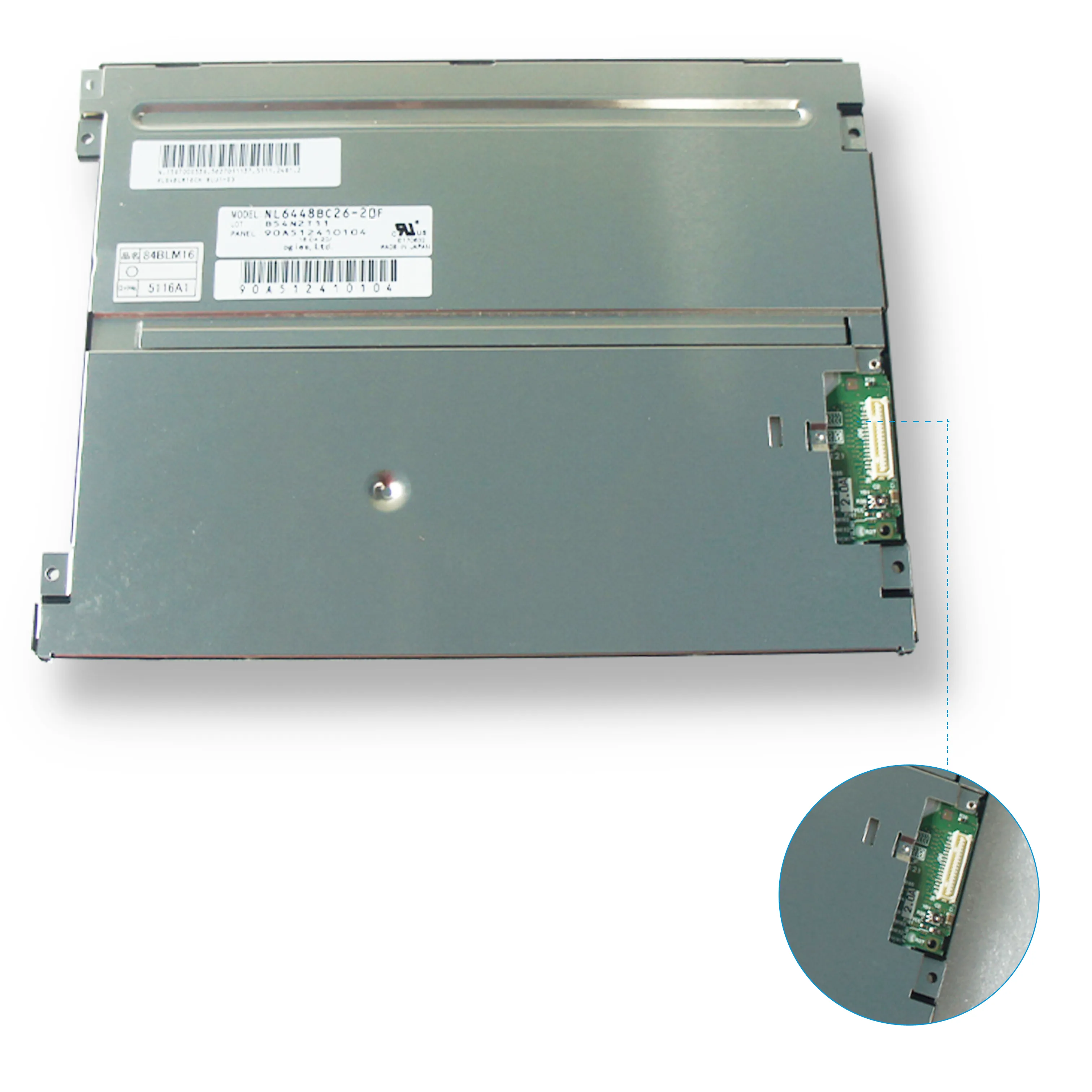

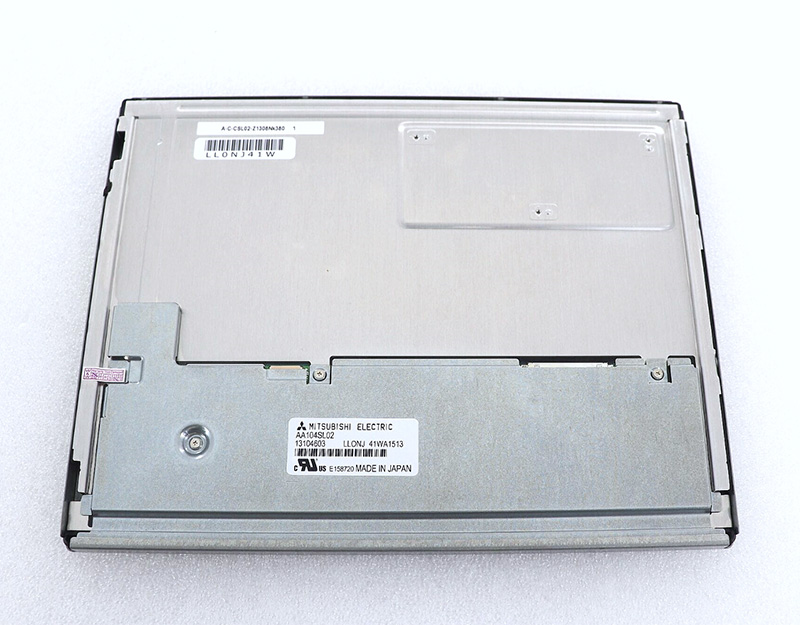
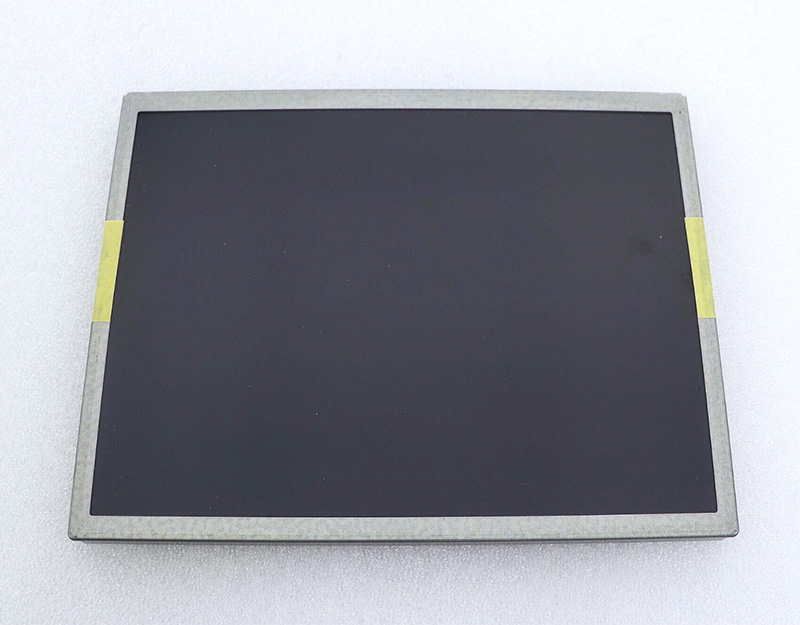
In the intricate world of industrial and embedded display solutions, specific components often become the unsung heroes behind reliable performance. One such component is the 10.4-inch Mitsubishi AA104SL02 TFT-LCD screen. With its 800 x 600 pixel (SVGA) resolution, this display module represents a critical intersection of mature technology, rugged design, and enduring application relevance. While consumer electronics chase ever-higher pixel densities, this panel carves out a vital niche where durability, readability, and signal compatibility are paramount.
This article delves into a comprehensive analysis of the Mitsubishi AA104SL02. We will move beyond basic specifications to explore its architectural advantages, the rationale behind its chosen resolution, and its ideal operational environments. We will dissect its interface technology, compare it with modern alternatives, and provide crucial guidance for integration and maintenance. For engineers, procurement specialists, and developers working on medical devices, industrial control panels, transportation systems, or legacy equipment upgrades, understanding the depth of this display's capabilities is key to leveraging its full potential.
Engineering Philosophy: Rugged Reliability Over Consumer Trends
The Mitsubishi AA104SL02 is engineered from the ground up for mission-critical environments. Unlike consumer-grade screens, its design prioritizes longevity, stability, and performance under stress. It typically features a robust metal frame, high-brightness CCFL or LED backlighting capable of remaining readable in direct sunlight, and an operating temperature range suited for industrial settings. The choice of materials and construction mitigates risks from vibration, electrical noise, and continuous operation.
This philosophy extends to its component lifecycle. Mitsubishi, known for its quality in industrial components, often ensures longer availability and consistency in manufacturing for such modules, which is crucial for products with multi-year development and service lifetimes. The 10.4-inch diagonal size is not arbitrary; it is a sweet spot for embedding into control units, medical carts, and test equipment, providing ample viewing area without excessive bulk. The panel itself is a testament to an era of display design where the end-use environment dictated every specification.
The Strategic Advantage of 800 x 600 (SVGA) Resolution
In an age of 4K displays, the 800x600 SVGA resolution of the AA104SL02 might seem anachronistic. However, this resolution holds significant strategic advantages for its target applications. Firstly, it offers excellent legacy compatibility. A vast ecosystem of industrial software, medical imaging systems, and embedded operating systems were designed around VGA and SVGA standards. This display ensures flawless rendering without the scaling issues or driver complications that higher resolutions can introduce with older systems.
Secondly, it provides optimal pixel density for arm's-length viewing. At 10.4 inches, SVGA creates clear, legible characters and distinct graphical elements without requiring excessive anti-aliasing or high-DPI scaling, which can strain embedded processors. The lower pixel count also translates to lower data bandwidth requirements, simplifying the design of the driving electronics and reducing system cost and power consumption. For displaying schematic diagrams, control interfaces, or diagnostic data, clarity and reliability trump sheer pixel count.
Interface Technology: Decoding the LVDS Signal Path
The AA104SL02 typically utilizes an LVDS (Low-Voltage Differential Signaling) interface. This is a key differentiator from older TTL interfaces and is critical for its performance. LVDS employs a differential data transmission method, which is highly resistant to electromagnetic interference (EMI)—a common challenge in industrial panels packed with motors, relays, and power supplies. This ensures a stable, clean image even in electrically noisy environments.
Understanding this interface is crucial for integration. The LVDS channel carries serialized pixel data, clock signals, and control signals from a controller board (often called a timing controller or T-Con) to the LCD panel. The specific pinout, voltage levels, and signaling standard (like JEIDA or VESA) must be meticulously matched between the display module and the source driver. This digital interface is what allows the panel to maintain a sharp, flicker-free image and is a cornerstone of its modern yet mature design.
Ideal Application Ecosystems and Use Cases
The Mitsubishi AA104SL02 finds its home in applications where failure is not an option. Its primary domains include:
Industrial Human-Machine Interfaces (HMIs): As the front-end for PLCs and control systems in manufacturing, packaging, and automation.
Medical Diagnostic Equipment: In portable ultrasound machines, patient monitors, and diagnostic stations where consistent color and grayscale performance is vital.
Transportation and Avionics: For in-cabin information displays, control panels in rugged vehicles, and ground support equipment.
Test and Measurement Instruments: Oscilloscopes, spectrum analyzers, and field service tools requiring clear, reliable readouts.
Specialized Point-of-Sale/Kiosk Systems: In environments demanding higher durability than consumer touchscreens offer.
In these contexts, the display is not merely an output device but an integral, reliable component of a larger system. Its value is proven through years of trouble-free operation in challenging conditions.
Comparison with Modern LCD Alternatives
When evaluating the AA104SL02 against contemporary panels, the comparison is not about "better" or "worse," but about appropriateness. Modern consumer-grade LCDs offer higher resolutions (HD, FHD), wider color gamuts, and thinner form factors. However, they often lack the wide temperature tolerance, robust mechanical construction, and long-term supply guarantees.
Newer industrial panels may feature LED backlights for lower power and wider dimming ranges, or capacitive touch overlays. The AA104SL02, particularly with CCFL backlighting, represents a specific point in the technology curve. The choice hinges on project requirements: Is the priority cutting-edge specs, or is it proven reliability, known performance characteristics, and direct replacement for an existing design? For legacy upgrades and specific industrial niches, this Mitsubishi panel remains a compelling and often irreplaceable solution.
Integration Essentials and Longevity Management
Successfully integrating the AA104SL02 requires attention to detail. Engineers must source the correct controller board compatible with its LVDS parameters and resolution. Mechanical design must account for its exact footprint, mounting holes, and bezel requirements. Power supply design needs to consider the backlight's specific voltage and current demands (whether CCFL inverter or LED driver).
For longevity, managing the backlight lifecycle is paramount. CCFL backlights have a finite half-brightness lifetime, while LED versions offer longer life. Planning for eventual backlight replacement or having a supplier for the complete module is part of sustainable system design. Furthermore, protecting the interface connectors from dust and moisture and ensuring adequate heat dissipation will maximize the module's operational lifespan, safeguarding the investment in this quality component.
Frequently Asked Questions (FAQs)
Q10: What are the key considerations for driving this display from a custom PCB?A10: You need an LVDS transmitter chip compatible with the panel's format, a precise timing controller, and proper power sequencing for the panel and backlight.、
Conclusion
The Mitsubishi AA104SL02 10.4-inch TFT-LCD is far more than a simple screen with an 800x600 resolution. It embodies a design philosophy centered on unwavering reliability in demanding applications. Its SVGA resolution is a strategic choice for compatibility and clarity, its LVDS interface ensures signal integrity, and its rugged construction guarantees performance where consumer displays would falter.
For professionals engineering systems in industrial, medical, or transportation fields, selecting a display like the AA104SL02 is a decision that prioritizes the total cost of ownership and system integrity over fleeting specifications. It serves as a powerful reminder that in the world of embedded technology, the most suitable component is not always the newest, but the one whose characteristics are perfectly aligned with the mission's demands for years, and often decades, of service.