






- Industrial LCD display
-
Industrial Products
- DC Servo Drive
- AC Servo Drive
- other
- Heidelberg
- FANUC
- IFM
- Meter
- CCD
- Membrane Keypad
- Film
- YOKOGAWA Module
- Card
- ABB
- MITSUBISHI
- FANUC
- KEYENCE
- BECKHOFF
- Honeywell
- HOLLYSYS
- FUJI servo drives
- HP
- solenoid valve
- thermostat
- Siemens adapter
- color oscilloscope
- Fujitsu connector
- CHELIC
- SMC
- CISCO Module
- INTEL
- Key board
- FAIRCHILD
- Motherboard
- Board
- Bearing
- other
- Control Panel
- Contactor
- Circuit
- OMRON
- Relay
- Controller
- Photoelectric Switch
- Photoelectric Sensor
- Original
- Fan
- Motor Driver
- Limit Switch
- Amplifier
- power supply
- LENZE
- Cable
- Encoder
- Sensor
- Transformer
- Fiber Optic Sensor
- Protection Relay
- Temperature Controller
- Proximity Switch
- Switch Sensor
- Siemens
- Industrial board
- HMI Touch Glass
-
HMI Full Machine Whole unit
- OMRON HMI Touch Panel
- Siemens HMI Touch Panel
- Mitsubishi HMI Touch Panel
- Allen-Bradley automation HMI Touch Panel
- DELTA HMI Touch Panel
- EVIEW DELTA HMI Touch Panel
- KINCO DELTA HMI Touch Panel
- HITECH HMI Touch Panel
- WEINTECK HMI Touch Panel
- TECVIEW HMI Touch Panel
- WEINVIEW HMI Touch Panel
- PRO-FACE HMI Touch Panel
- SIMATIC HMI Touch Panel
- AMPIRE HMI Touch Panel
- HEIDELBERG HMI Touch Panel
- PANASONIC HMI Touch Panel
- PATLITE HMI Touch Panel
- KYOCERA HMI Touch Panel
- KEYENCE HMI Touch Panel
- WEINVIEW HMI Touch Panel
- HITECH HMI Touch Panel
- FUJI HMI Touch Panel
- HAKKO HMI Touch Panel
- SCHNEIDER HMI Touch Panel
- SAMKOON touch panel
- other
- Module
- lcd inverter
- Membrane Keypad Switch
- Winni Touch Screens
- Frequency Inverter
- Servo Motor
- PLC


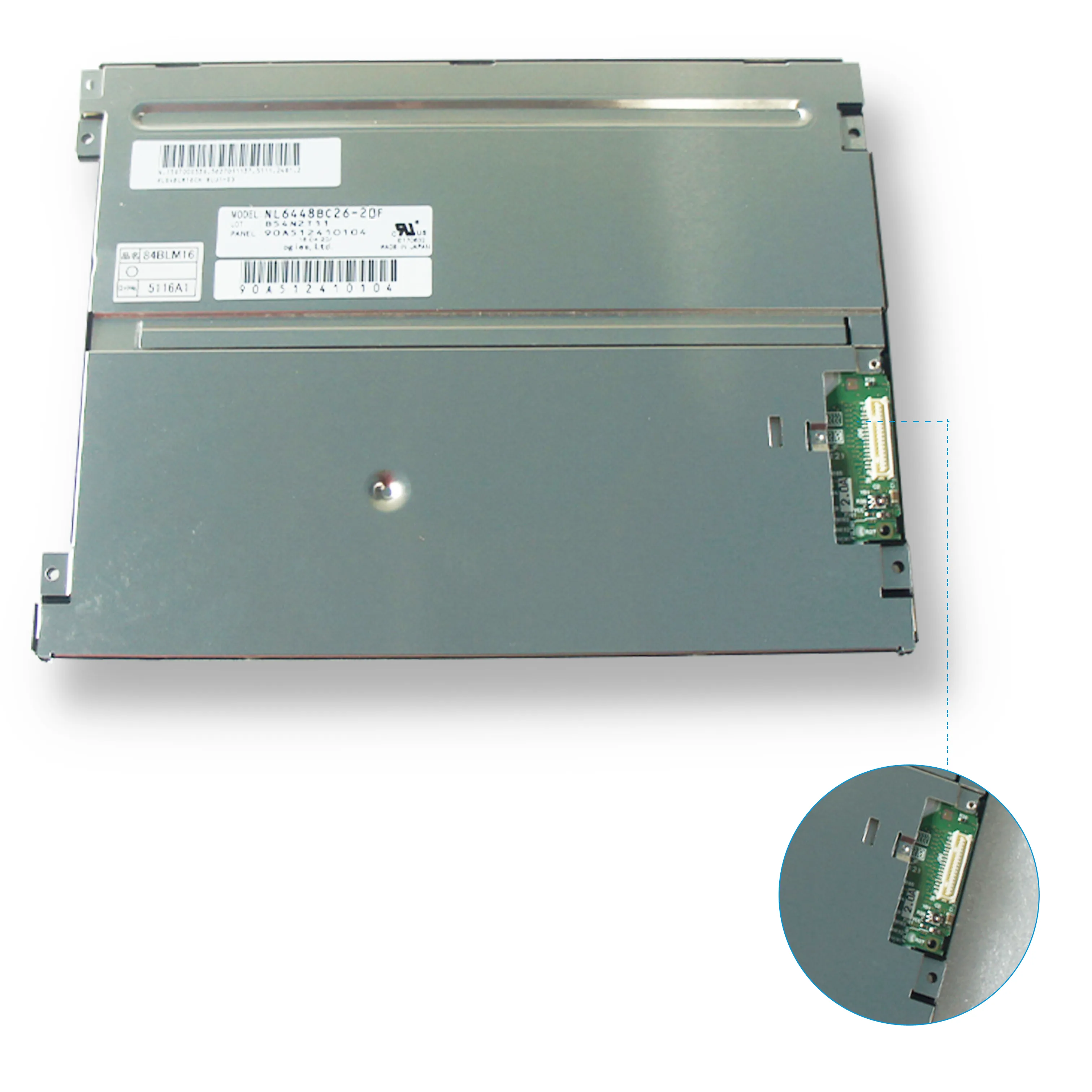

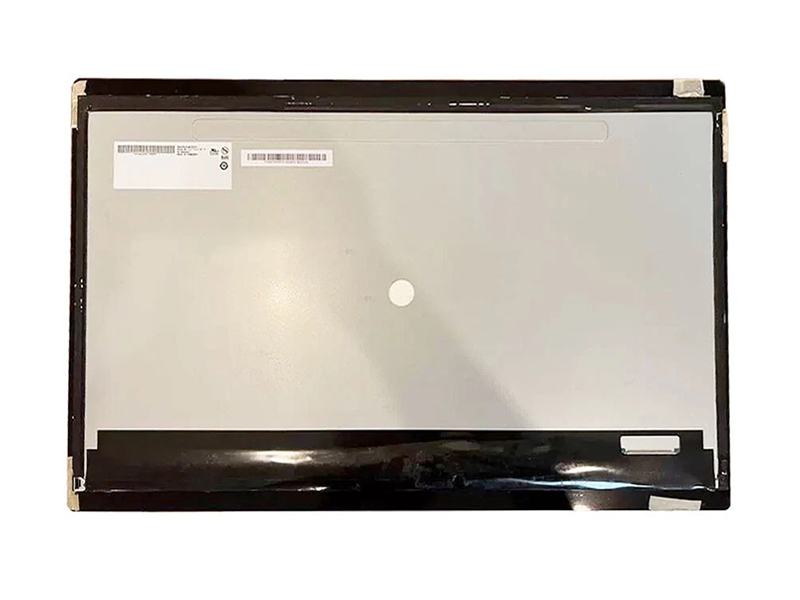
G215HAT01.0 AUO 21.5inch 1920*1080 LCD screen
In the rapidly evolving landscape of industrial and commercial displays, the choice of a reliable, high-performance LCD panel is often the cornerstone of a successful application. The G215HAT01.0 by AU Optronics (AUO) stands as a compelling solution in the 21.5-inch category, offering a standard Full HD resolution of 1920x1080. While many displays in this size range are ubiquitous, the G215HAT01.0 distinguishes itself through a specific balance of optical performance, durability, and cost-efficiency geared towards professional environments. This article moves beyond common specifications to explore the engineering philosophy behind this panel, its nuanced suitability for diverse use cases—from medical instrumentation to industrial automation—and the technical trade-offs that define its operational niche. By dissecting its architecture, interface compatibility, and long-term viability, we aim to provide system integrators and procurement specialists with the critical insights needed to determine whether this AUO panel is the right fit for their next project, rather than just a generic off-the-shelf option.
To truly understand the G215HAT01.0, one must first recognize that it is not a consumer-grade television panel. AUO engineered this specific model for prolonged operational use under controlled, yet demanding, conditions. The core of the panel relies on Vertical Alignment (VA) technology, a deliberate choice that prioritizes contrast ratio and native black depth over the wide viewing angles characteristic of IPS displays. For the G215HAT01.0, this results in a typical static contrast ratio of 3000:1 to 4000:1, which is significantly superior to many competitors in the same price bracket. This high contrast is critical for applications requiring clear differentiation between text and background, such as in control room dashboards or medical patient monitors. The panel's design also incorporates a specific backlight structure, often utilizing a standard CCFL or WLED array depending on the specific assembly revision. This backlight is engineered for a longer lifetime (often rated at 50,000 hours or more) and consistent luminance, typically around 250 cd/m², which is well-suited for indoor environments without the aggressive power draw of high-brightness panels. The philosophy here is consistency and reliability, not flashy consumer features.
The 1920x1080 resolution on a 21.5-inch diagonal yields a pixel density of approximately 102 pixels per inch (PPI). This specific density is a sweet spot for many professional applications. It provides sufficient detail for reading small typefaces and rendering complex diagrams without the performance penalties associated with 4K panels at this size, such as increased memory bandwidth and signal processing overhead. The 16:9 aspect ratio is a standard that aligns seamlessly with modern video sources and operating systems, simplifying integration. However, the true intelligence lies in the pixel architecture. AUO typically employs a standard RGB stripe arrangement, which avoids the text clarity issues found with PenTile or other sub-pixel rendering techniques. For a panel destined for point-of-sale systems or diagnostic imaging, this ensures edge sharpness and color accuracy. Furthermore, the 8-bit (or 6-bit + FRC) color depth is a critical consideration. While not a true 10-bit panel, the G215HAT01.0 often uses advanced Frame Rate Control (FRC) to simulate 16.7 million colors. For the intended industrial and commercial contexts, this is perfectly adequate, but designers must be aware of this limitation for high-end graphic arts or medical image analysis requiring seamless gray-scale transitions.
A display's value is often determined by its ability to "speak" to the host system. The G215HAT01.0 standardly relies on an LVDS (Low-Voltage Differential Signaling) interface. This is a significant point of consideration. LVDS is a mature, highly reliable interface that is still widely preferred in industrial computing due to its resistance to electromagnetic interference (EMI) and its ability to drive cables over reasonable distances (typically up to 5-10 meters) without signal degradation. The panel likely requires a 2-channel, 8-bit LVDS connection. For system integrators, this means that a graphics source or embedded controller board must have a native LVDS output. While this adds a layer of complexity compared to modern HDMI or DisplayPort panels, it offers deterministic timing and a robust connection in harsh factory floor environments. It is crucial to verify the exact pinout and connector type (often a JAE or compatible 30-pin connector) of the specific G215HAT01.0 version procured. The interface choice restricts direct use with consumer-based single-board computers without an LVDS-to-HDMI conversion kit, which can add cost and latency. This ecosystem is designed for a stable, dedicated hardware path, not for plug-and-play consumer flexibility.
The physical form factor of the G215HAT01.0 is engineered for mechanical integration into medical or industrial housings. The panel is typically an open-frame design, lacking a bezel, which allows for custom enclosures. Critical dimensions include the active area (approximately 476.64 x 268.11 mm) and the overall outline, which includes mounting ears or specialized protrusions for bracket attachment. From a thermal perspective, this panel generates manageable heat, typically around 15-25 watts of power consumption. However, the thermal design is not passive in the sense that it just "runs cool." The backlight is the primary heat source. In a sealed or poorly ventilated enclosure, the operating temperature range (typically 0°C to 50°C) must be respected. For outdoor or semi-outdoor use, a heater or cooling fan is often required. The panel's surface temperature can affect touchscreen calibration if a touch overlay is added. The mechanical stiffness of the panel board is also important; it warps under high pressure, which can cause color shifting or permanent damage (mura). Therefore, mounting must be flat and evenly supported. These dynamics are often overlooked but are critical for a robust final product.

Where does the G215HAT01.0 truly excel? Its strengths are most apparent in three key sectors. First, Medical Equipment: High contrast and reliable LVDS connections make it suitable for patient monitors, diagnostic ultrasound machines, and anesthesia workstations. The 21.5-inch size is a standard for bedside terminals. The absence of a consumer-oriented high-gloss coating (usually an anti-glare treatment is standard) prevents distracting reflections. Second, Industrial and Process Control: In factory floor HMI (Human-Machine Interface) panels, the durability and predictable lifespan of the backlight are vital. The VA technology provides deeper blacks for reading data in dimly lit server rooms or bright shop floors. Third, Digital Signage and Kiosks: For information kiosks or menu boards in controlled indoor environments, the 1920x1080 resolution offers excellent readability. However, it is a poor fit for high-brightness outdoor kiosks (>500 cd/m²) or applications demanding extreme viewing angles (e.g., a multi-user conferencing table). The strategic fit is for controlled, professional, single-user or small-group interaction scenarios where contrast and reliability are prioritized over wide-angle visibility.
One of the most critical aspects of the G215HAT01.0 is its classification as an industrial or commercial panel, not a consumer one. AUO typically guarantees longer production lifetimes (often 2-3 years longer than consumer panels) and provides formal product change notifications (PCNs). This allows buyers to design products with confidence, knowing the panel will not become obsolete in six months. However, the panel is also subject to the realities of the secondary market. Many units available today are either pulled from existing equipment or are surplus stock. When sourcing, look for proper AUO retails boxes with date codes (a 4-digit code indicating year and week of manufacture). An older date code (e.g., 3-5 years) does not mean the panel is bad, but the backlight may be closer to its half-life. The panel's driver board (T-con) is integrated onto the panel glass, meaning if the T-con fails, the whole panel is often unrepairable. This makes proper electrostatic discharge (ESD) handling and clean power supply design mandatory. For long-term projects, securing a 1-2 year inventory buffer can mitigate supply chain risks and price fluctuations, as this panel is not made in the same volume as a standard laptop screen.
Q: Is the G215HAT01.0 a touchscreen panel?
A: No, it is a standard LCD display module without a touch digitizer. It can be integrated with a separate touch overlay (resistive, capacitive, or IR).
Q: What is the typical power consumption?
A: The typical power consumption is around 20-25 watts for the panel and backlight combined, depending on the brightness setting.
Q: Can I use this panel with a standard HDMI source?
A: Not directly. Because it uses an LVDS interface, you require a controller board that converts HDMI/DVI/VGA signals to LVDS.
Q: What is the difference between this and a consumer 22-inch monitor?
A: This panel is designed for 24/7 use, better contrast ratios, and a longer component lifespan. Consumer monitors often use TN panels and are not built for industrial durability.
Q: What is the viewing angle of this panel?
A: As a VA panel, it offers typical viewing angles of 178° (H) / 178° (V), but there is a slight color shift and contrast degradation at extreme angles compared to IPS.
Q: Does it support 1080p at 60Hz?
A: Yes, the LVDS interface supports a standard 60Hz refresh rate at 1920x1080 resolution.
Q: Is the G215HAT01.0 still in production?
A: It is likely in a mature or end-of-life (EOL) phase. Availability is good through specialized industrial distributors, but not at major electronics retailers.
Q: How do I adjust brightness without a backlight controller?
A: The backlight brightness is controlled by an external inverter or LED driver board connected to the panel's backlight connector.
Q: What is the surface finish of the panel?
A: It typically features an anti-glare (AG) surface treatment to reduce reflections.
Q: Can I mount this panel vertically?
A: Yes, it can be mounted in portrait mode, but you must ensure proper ventilation to avoid heat buildup at the top of the panel.
Conclusion
The G215HAT01.0 by AUO represents a mature, pragmatic choice for the professional display integrator. It is not a flashy, high-refresh-rate gaming monitor, nor is it a budget consumer screen. Its value proposition is grounded in reliability, high-contrast VA performance, and a predictable interface landscape (LVDS). For applications in medical, industrial control, and dedicated digital signage, this panel offers a robust foundation. The key takeaway is that success with this component depends on understanding its ecosystem. You must plan for an LVDS source, respect its thermal limits, and source it from a reliable distributor. While it may be considered a workhorse rather than a showpiece, that is precisely its strength. In a world of disposability, the G215HAT01.0 offers a path to a more durable, maintainable product. For designers willing to work within its constraints, it delivers a visual experience and operational tenure that generic panels cannot match. It is a testament to the idea that the best component for a job is often not the newest, but the most appropriately engineered for the specific task at hand.