






- Industrial LCD display
-
Industrial Products
- DC Servo Drive
- AC Servo Drive
- other
- Heidelberg
- FANUC
- IFM
- Meter
- CCD
- Membrane Keypad
- Film
- YOKOGAWA Module
- Card
- ABB
- MITSUBISHI
- FANUC
- KEYENCE
- BECKHOFF
- Honeywell
- HOLLYSYS
- FUJI servo drives
- HP
- solenoid valve
- thermostat
- Siemens adapter
- color oscilloscope
- Fujitsu connector
- CHELIC
- SMC
- CISCO Module
- INTEL
- Key board
- FAIRCHILD
- Motherboard
- Board
- Bearing
- other
- Control Panel
- Contactor
- Circuit
- OMRON
- Relay
- Controller
- Photoelectric Switch
- Photoelectric Sensor
- Original
- Fan
- Motor Driver
- Limit Switch
- Amplifier
- power supply
- LENZE
- Cable
- Encoder
- Sensor
- Transformer
- Fiber Optic Sensor
- Protection Relay
- Temperature Controller
- Proximity Switch
- Switch Sensor
- Siemens
- Industrial board
- HMI Touch Glass
-
HMI Full Machine Whole unit
- OMRON HMI Touch Panel
- Siemens HMI Touch Panel
- Mitsubishi HMI Touch Panel
- Allen-Bradley automation HMI Touch Panel
- DELTA HMI Touch Panel
- EVIEW DELTA HMI Touch Panel
- KINCO DELTA HMI Touch Panel
- HITECH HMI Touch Panel
- WEINTECK HMI Touch Panel
- TECVIEW HMI Touch Panel
- WEINVIEW HMI Touch Panel
- PRO-FACE HMI Touch Panel
- SIMATIC HMI Touch Panel
- AMPIRE HMI Touch Panel
- HEIDELBERG HMI Touch Panel
- PANASONIC HMI Touch Panel
- PATLITE HMI Touch Panel
- KYOCERA HMI Touch Panel
- KEYENCE HMI Touch Panel
- WEINVIEW HMI Touch Panel
- HITECH HMI Touch Panel
- FUJI HMI Touch Panel
- HAKKO HMI Touch Panel
- SCHNEIDER HMI Touch Panel
- SAMKOON touch panel
- other
- Module
- lcd inverter
- Membrane Keypad Switch
- Winni Touch Screens
- Frequency Inverter
- Servo Motor
- PLC


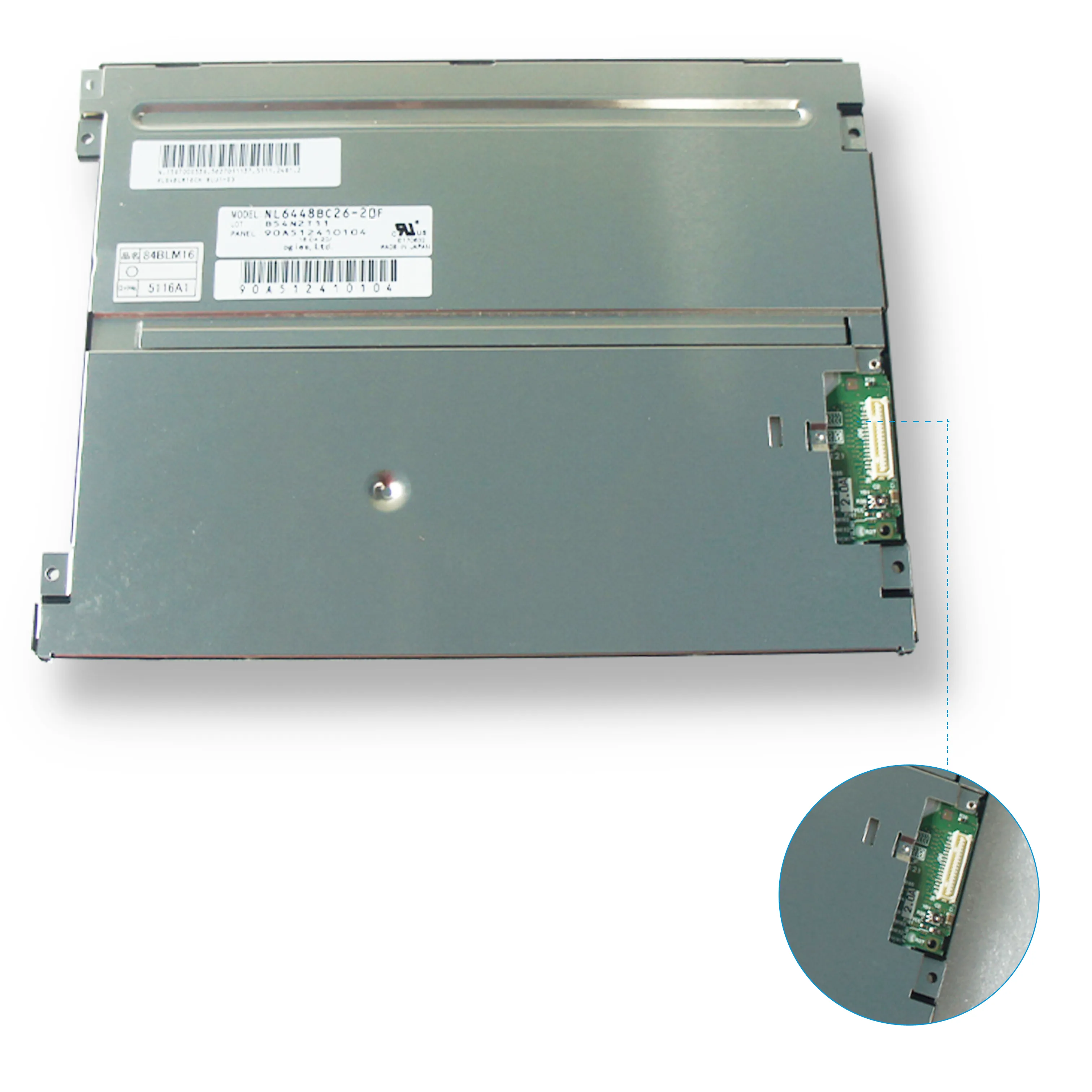


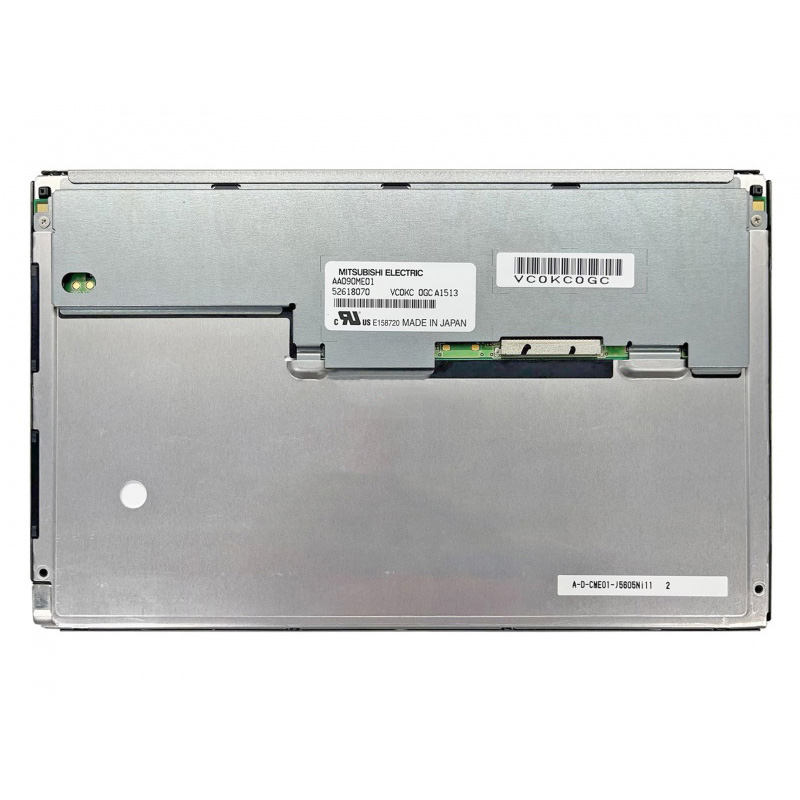
AA121TD02 12.1"1280*800 LCD PANEL FOR MITSUBISHI
In the intricate world of industrial automation and specialized display solutions, the precise match between a control system and its visual interface is paramount. At the heart of many Mitsubishi Electric automation systems, such as the iconic MELSEC series PLCs and their corresponding GOT (Graphic Operation Terminal) units, lies a critical component: the display panel. This article delves into the technical universe of the AA121TD02, a 12.1-inch LCD panel engineered specifically as a replacement or service part for Mitsubishi Human Machine Interfaces (HMIs).
Beyond a simple screen, the AA121TD02 represents a fusion of reliability, compatibility, and performance tailored for demanding industrial environments. We will explore its core specifications, unpack its role within larger Mitsubishi ecosystems, and analyze the critical factors that distinguish a genuine, high-fidelity panel from generic alternatives. This deep dive is designed for control engineers, maintenance technicians, procurement specialists, and anyone invested in the longevity and optimal performance of their Mitsubishi-operated machinery.
Decoding the AA121TD02: Core Specifications and Performance
The alphanumeric code AA121TD02 is a precise identifier, not a random model number. Breaking it down reveals its essence: it signifies a 12.1-inch diagonal active area TFT LCD panel with a resolution of 1280 x 800 (WXGA). This 16:10 aspect ratio provides a balanced workspace, ideal for viewing ladder logic, process diagrams, and control parameters without excessive scrolling. The panel typically employs an LVDS (Low-Voltage Differential Signaling) interface, ensuring robust, high-speed data transmission with minimal electrical noise interference—a crucial feature on factory floors.
Key performance metrics include brightness (often in the range of 300-400 nits for adequate visibility), contrast ratio for clear differentiation between elements, and viewing angles to ensure readability from various operator positions. Understanding these specifications is the first step in appreciating why this panel is not a commodity item but a precision-engineered component where every parameter is calibrated to meet the rigorous standards of industrial operation and seamless integration with Mitsubishi's display controllers.

The Critical Role in Mitsubishi HMI and GOT Systems
The AA121TD02 is not a standalone monitor; it is the visual heart of specific Mitsubishi GOT series terminals. Models like the GOT1000 and certain GOT2000 units utilize this exact panel. These GOTs serve as the primary touchpoint between human operators and complex automated processes controlled by Mitsubishi PLCs. The panel's reliability directly impacts operational uptime, diagnostic clarity, and control accuracy.
When integrated, the panel works in concert with a dedicated controller board, backlight inverter, and often a resistive touchscreen overlay. Its design accounts for continuous operation in environments with temperature fluctuations, vibration, and potential exposure to dust or condensation. This symbiosis between panel and terminal underscores a fundamental principle in industrial maintenance: preserving the original design integrity is essential for system stability, safety certification, and long-term performance.
Compatibility and Integration: Beyond the Part Number
While the AA121TD02 is a direct replacement for panels in designated GOT models, compatibility verification is a multi-layered process. It extends beyond the physical size and connector type. Engineers must confirm the interface protocol (pin configuration and LVDS signal mapping), the backlight system (e.g., CCFL lamp type and inverter requirements), and the mechanical mounting points.
Integrating a replacement panel involves meticulous attention to these details. A mismatch in the LVDS channel configuration or backlight voltage can lead to a non-functional display, distorted images, or even damage. Furthermore, the panel must be paired with the correct touchscreen digitizer (if separate) to maintain the HMI's interactive functionality. This chapter emphasizes that successful integration is a technical procedure, not a simple plug-and-play exercise, requiring understanding of the entire display assembly.
The High Cost of Compromise: Genuine vs. Compatible Panels
The procurement landscape for parts like the AA121TD02 includes OEM originals, certified refurbished units, and third-party "compatible" panels. The price differential can be tempting, but the risks associated with non-genuine parts are substantial. Generic panels may claim mechanical compatibility but often fall short in optical performance (color gamut, uniformity), longevity (backlight life), and electrical reliability.
Compromising on quality can result in premature failure, increased mean time between repairs (MTBR), and potential incompatibility with future firmware updates for the GOT. In critical industrial applications, a display failure can halt an entire production line, leading to downtime costs that far exceed the price difference of a genuine Mitsubishi-specified panel. Investing in a verified, high-quality replacement is ultimately a strategic decision for asset management and operational reliability.
Common Failure Modes and Diagnostic Indicators
Understanding how these panels fail informs both proactive maintenance and accurate diagnosis. Common issues include backlight failure (characterized by a dim or completely dark screen, though a faint image may be visible under strong light), LCD matrix defects (appearing as dead pixels, lines, or permanent discoloration), and interconnect problems (causing flickering, ghosting, or signal loss).
Environmental stress from excessive heat, cold, or humidity can accelerate aging. Diagnosing a faulty panel involves systematic elimination: testing the inverter output, verifying LVDS cable integrity, and if possible, connecting a known-good panel to isolate the fault to the display component itself. Accurate diagnosis prevents unnecessary replacement of other costly sub-assemblies like the main controller board.
Sourcing, Procurement, and Best Practices for Replacement
Sourcing a genuine AA121TD02 requires partnering with authorized Mitsubishi distributors, reputable industrial parts specialists, or certified refurbishment services. Best practices include providing the complete model number of the host GOT unit, requesting documentation of origin and testing, and verifying warranty terms. For older systems where new stock is unavailable, certified refurbished panels from trusted vendors offer a reliable alternative.
The replacement process itself demands an ESD-safe (Electrostatic Discharge) environment, proper tools, and careful handling of the fragile LCD glass and CCFL lamps. Following detailed service manuals or technical guides is imperative. Post-installation, thorough testing of all display functions, touch accuracy, and backlight uniformity ensures a successful repair that restores the HMI to its intended operational state.
FAQs: AA121TD02 LCD Panel
10. Are there LED-backlit versions of this panel?The original AA121TD02 uses CCFL backlighting. Some third-party or upgraded solutions may offer LED-backlit versions for longer life and lower power consumption, but compatibility must be meticulously verified.
Conclusion
The AA121TD02 12.1-inch LCD panel is far more than a simple display; it is a critical, specification-driven component vital to the functionality of key Mitsubishi GOT HMI systems. Its role in ensuring clear communication between operators and complex machinery cannot be overstated. Through an understanding of its technical specifications, integration requirements, and the significant risks of using non-genuine parts, maintenance and procurement decisions can be made with confidence and foresight.
In the realm of industrial automation, where uptime is synonymous with profitability, choosing the correct, high-quality replacement component is a strategic investment. By prioritizing compatibility, reliability, and proper installation practices, organizations can extend the service life of their valuable Mitsubishi HMI assets, maintain operational safety, and ensure the seamless flow of production for years to come.