






- Industrial LCD display
-
Industrial Products
- DC Servo Drive
- AC Servo Drive
- other
- Heidelberg
- FANUC
- IFM
- Meter
- CCD
- Membrane Keypad
- Film
- YOKOGAWA Module
- Card
- ABB
- MITSUBISHI
- FANUC
- KEYENCE
- BECKHOFF
- Honeywell
- HOLLYSYS
- FUJI servo drives
- HP
- solenoid valve
- thermostat
- Siemens adapter
- color oscilloscope
- Fujitsu connector
- CHELIC
- SMC
- CISCO Module
- INTEL
- Key board
- FAIRCHILD
- Motherboard
- Board
- Bearing
- other
- Control Panel
- Contactor
- Circuit
- OMRON
- Relay
- Controller
- Photoelectric Switch
- Photoelectric Sensor
- Original
- Fan
- Motor Driver
- Limit Switch
- Amplifier
- power supply
- LENZE
- Cable
- Encoder
- Sensor
- Transformer
- Fiber Optic Sensor
- Protection Relay
- Temperature Controller
- Proximity Switch
- Switch Sensor
- Siemens
- Industrial board
- HMI Touch Glass
-
HMI Full Machine Whole unit
- OMRON HMI Touch Panel
- Siemens HMI Touch Panel
- Mitsubishi HMI Touch Panel
- Allen-Bradley automation HMI Touch Panel
- DELTA HMI Touch Panel
- EVIEW DELTA HMI Touch Panel
- KINCO DELTA HMI Touch Panel
- HITECH HMI Touch Panel
- WEINTECK HMI Touch Panel
- TECVIEW HMI Touch Panel
- WEINVIEW HMI Touch Panel
- PRO-FACE HMI Touch Panel
- SIMATIC HMI Touch Panel
- AMPIRE HMI Touch Panel
- HEIDELBERG HMI Touch Panel
- PANASONIC HMI Touch Panel
- PATLITE HMI Touch Panel
- KYOCERA HMI Touch Panel
- KEYENCE HMI Touch Panel
- WEINVIEW HMI Touch Panel
- HITECH HMI Touch Panel
- FUJI HMI Touch Panel
- HAKKO HMI Touch Panel
- SCHNEIDER HMI Touch Panel
- SAMKOON touch panel
- other
- Module
- lcd inverter
- Membrane Keypad Switch
- Winni Touch Screens
- Frequency Inverter
- Servo Motor
- PLC


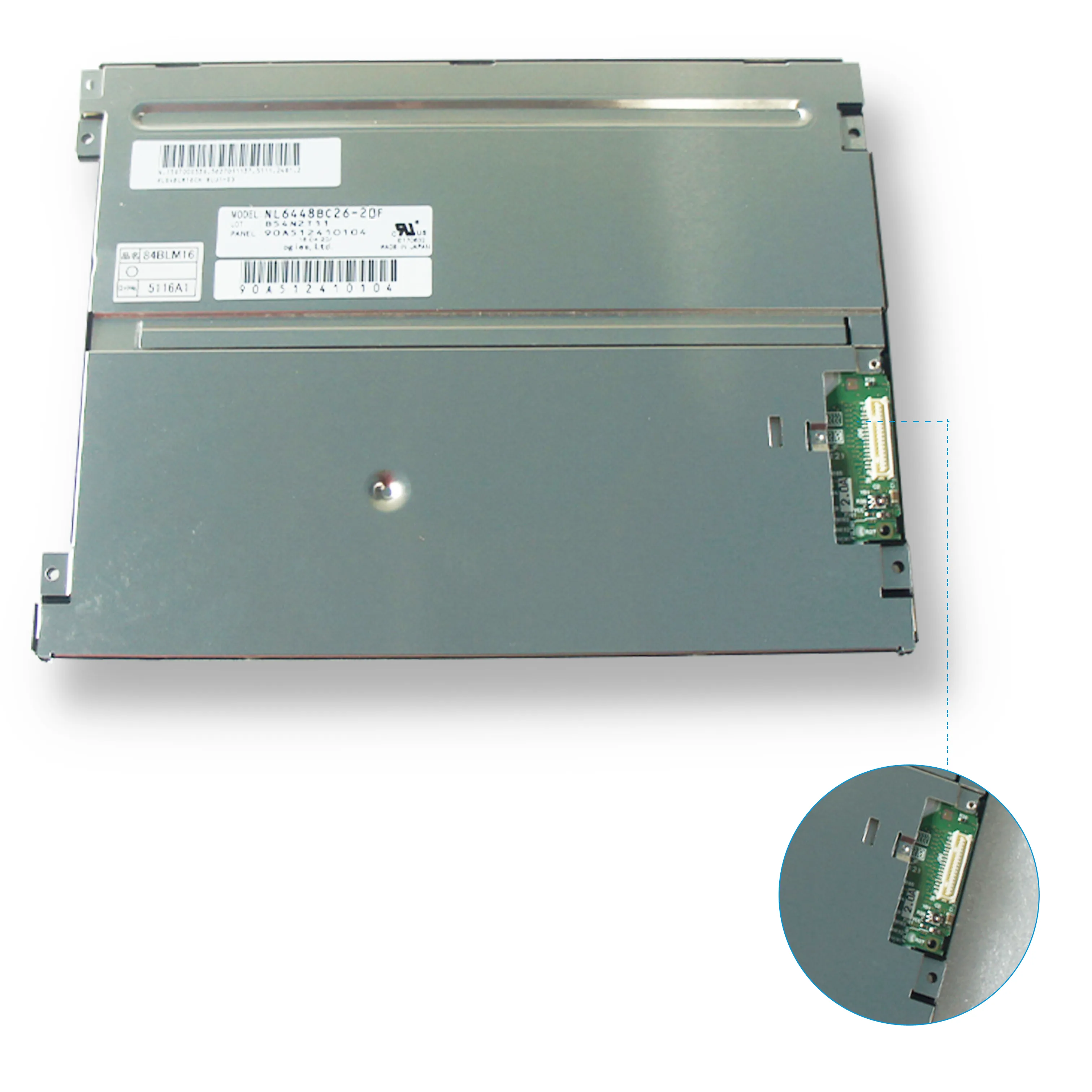

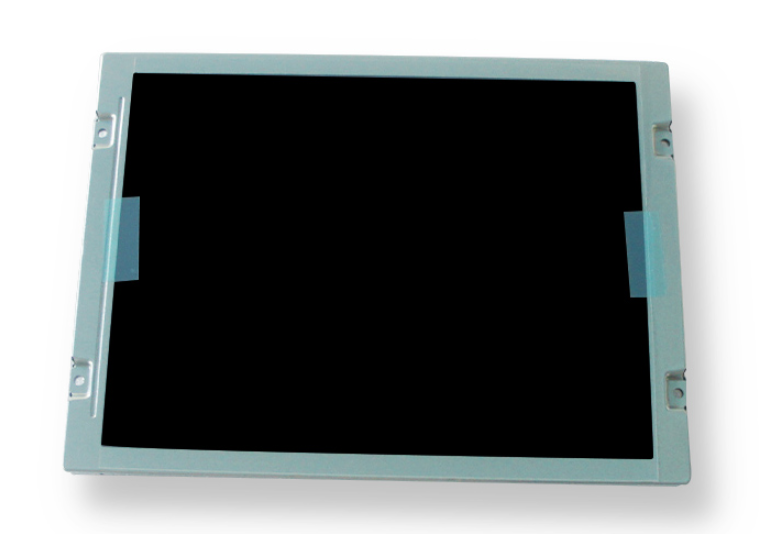
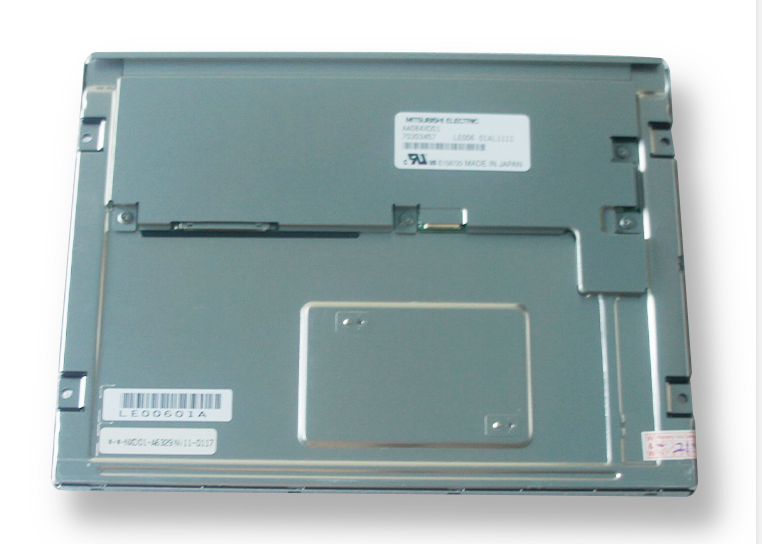
AA084XD01 Mitsubishi 8.4inch lcd display
In the intricate world of industrial and specialized display technology, certain components stand out not merely as parts, but as benchmarks of performance and reliability. The Mitsubishi AA084XD01 is one such component—an 8.4-inch LCD display module that has carved a significant niche for itself across demanding applications. This article delves deep into this specific display, moving beyond basic datasheet specifications to explore its technological essence, design philosophy, and the tangible value it delivers in real-world scenarios.
Understanding this display requires a shift from a consumer-grade perspective to an industrial one. We will dissect its core attributes, from its unique optical performance and rugged construction to its precise electronic interface. The analysis will extend to its ideal application ecosystems, the critical factors driving its integration, and a balanced view of its capabilities within the broader market landscape. This comprehensive exploration aims to provide engineers, procurement specialists, and technology integrators with the insights needed to evaluate the AA084XD01 not just as a display, but as a strategic component for mission-critical systems.
Decoding the Core Technology: Beyond the 8.4-Inch Diagonal
The AA084XD01 is built around a high-performance amorphous silicon TFT-LCD panel. Its 8.4-inch diagonal size, typically offering an 800 x 600 (SVGA) resolution, represents a sweet spot in industrial design, providing ample screen real estate without excessive footprint. However, its true technological merit lies beneath the surface. The module employs advanced In-Plane Switching (IPS) or similar wide-viewing angle technology, ensuring consistent color and contrast across viewing angles up to 170 degrees horizontally and vertically. This is critical in applications where the screen may not be directly facing the operator.
Furthermore, it integrates a robust CCFL (Cold Cathode Fluorescent Lamp) backlighting system, known for its stable luminance output and long lifespan under continuous operation. The combination of a high-quality LCD matrix and a reliable backlight results in exceptional optical performance characterized by high brightness (typically 450 nits or more) and excellent color uniformity. This foundational technology ensures the display delivers clear, stable, and readable visual information in environments where performance cannot be compromised.
Engineered for Resilience: Rugged Construction and Environmental Mastery
What distinguishes the AA084XD01 from commercial displays is its inherent ruggedness. The module is engineered to withstand the harsh conditions typical of industrial, medical, and transportation environments. Its construction often involves a robust metal frame that provides structural integrity and aids in heat dissipation. The front surface typically features a hardened glass or polycarbonate cover with anti-glare treatment, protecting the delicate LCD from physical impacts, scratches, and chemical exposure.
Environmental specifications are a key highlight. The display is designed to operate reliably across an extended temperature range, often from -20°C to +70°C. It boasts high resistance to shock, vibration, and humidity, conforming to stringent industrial standards. This resilience ensures system uptime and longevity in challenging settings such as factory floors, outdoor kiosks, emergency vehicle cabins, or diagnostic medical equipment, where ambient conditions are far from the controlled comfort of an office.
The Interface and Control Ecosystem
Integration is paramount, and the AA084XD01 provides a precise electronic interface for seamless connection to control systems. It primarily accepts analog RGB signals, a standard and robust interface compatible with a wide array of industrial PC boards and embedded controllers. The module includes a dedicated timing controller (TCON) board, which meticulously manages signal processing, gamma correction, and power sequencing.
Critical to its operation are the inverter board for powering the CCFL backlight and the comprehensive set of input connectors, such as LVDS or TTL interfaces, depending on the specific variant. Understanding this ecosystem is vital for engineers. Proper integration involves not just signal compatibility but also managing power requirements, ensuring electromagnetic compatibility (EMC), and implementing the correct startup/shutdown sequences to maximize the module's lifespan and prevent damage during system power cycling.
Ideal Application Domains: Where the AA084XD01 Excels
The specific attributes of the Mitsubishi AA084XD01 make it the display of choice for several high-stakes industries. In industrial automation, it serves as the primary human-machine interface (HMI) on PLC control panels, CNC machinery, and robotic control stations, where readability under bright factory lighting and resistance to dust/vibration are essential. The medical field utilizes this module in diagnostic imaging displays, patient monitoring systems, and surgical equipment, leveraging its color consistency, reliability, and ability to be cleaned with disinfectants.
Additionally, it finds a home in transportation and avionics for dashboard displays, onboard information systems, and control panels in trains, heavy machinery, and auxiliary aircraft systems. Its wide temperature tolerance and resistance to shock make it suitable for these mobile environments. Other applications include test and measurement equipment, professional audio/video editing consoles, and specialized point-of-sale systems where durability and continuous operation are prioritized over consumer aesthetics.
Critical Considerations for System Integration
Successfully deploying the AA084XD01 requires careful planning beyond selecting the part number. Thermal management is crucial; despite its ruggedness, ensuring adequate airflow or heat sinking around the module prevents overheating and preserves backlight life. Power supply design must be clean and stable, with attention to the inrush current required by the CCFL inverter at startup.
Integrators must also consider the mechanical mounting, ensuring the frame is properly supported to avoid stress on the glass. Furthermore, planning for the eventual end-of-life (EOL) of the CCFL backlight is necessary, factoring in mean time between failures (MTBF) data and having a maintenance or replacement strategy. These proactive considerations transform a simple component swap into a reliable, long-term system solution.
Market Context and Legacy Considerations
In today's market, the AA084XD01 represents a proven, high-reliability technology. While newer displays featuring LED backlighting offer advantages in power efficiency and thinner profiles, the CCFL-based AA084XD01 holds its ground in applications requiring extreme environmental stability, proven longevity, and specific optical characteristics. It is often a designated component in systems with long lifecycles, where requalification of a new display model is costly and time-consuming.
As a product with a significant history, availability can shift towards specialized industrial distributors or the aftermarket. For engineers, this underscores the importance of securing a reliable supply chain or understanding compatible alternatives for future design refreshes. Its enduring presence is a testament to its quality and the specific needs of the industrial sector, which values proven performance over chasing the latest consumer trends.
FAQs: Mitsubishi AA084XD01 8.4-Inch LCD Display
Q10: Can the backlight be replaced?A10: Yes, the CCFL backlight tube and inverter are serviceable components, and planning for their eventual replacement is part of long-term system maintenance.
Conclusion
The Mitsubishi AA084XD01 8.4-inch LCD display is far more than a simple screen; it is a meticulously engineered component built for endurance and performance. Its value proposition lies in its fusion of high-quality optical output, proven CCFL backlight technology, and a physical construction that defies challenging environments. For system designers in industrial, medical, and transportation fields, it represents a reliable, known quantity that minimizes risk over a product's extended lifecycle.
While technological evolution continues, the enduring relevance of modules like the AA084XD01 underscores a critical market truth: in many professional contexts, raw reliability and specific performance under duress outweigh mere specifications. Choosing this display is not a compromise but a strategic decision for applications where failure is not an option, and visual clarity must persist against all odds. It stands as a testament to the principle that true quality is measured not just at installation, but over years of unwavering service.